

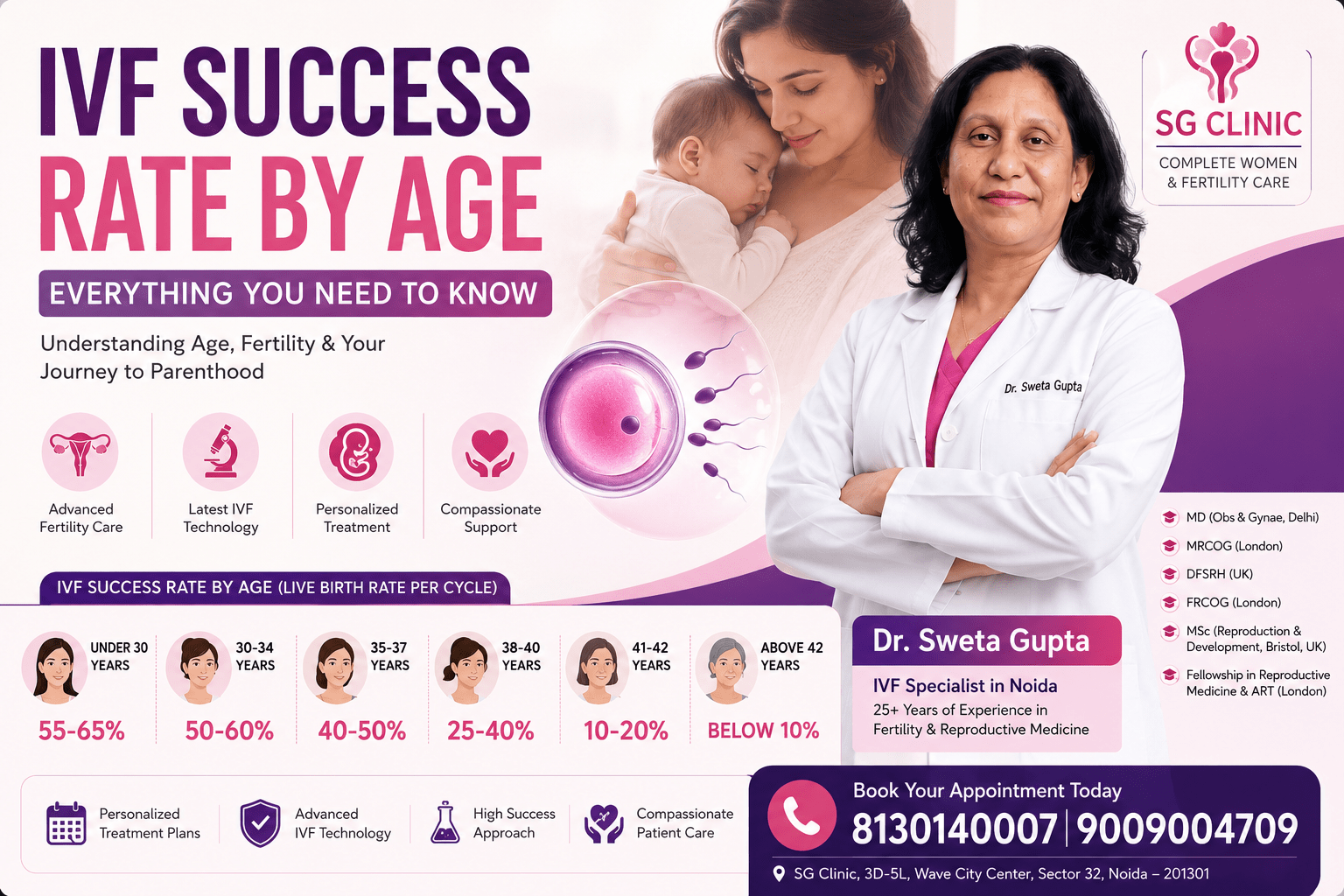
IVF Success Rate by Age: Everything You Need to Know
Wondering how age affects IVF success? This comprehensive guide by Dr. Sweta Gupta, an internationally trained IVF Specialist in Noida with 25+ years of experience, explains IVF success rates by age, fertility factors, lifestyle improvements, and advanced treatment options to help couples make informed decisions on their journey to parenthood.
For couples planning a family through assisted reproductive technology, one of the first questions that naturally comes to mind is:
“What are the chances of IVF success at my age?”
The answer is not always straightforward because IVF success depends on several medical and lifestyle factors. However, age remains one of the most significant predictors of IVF treatment success. As women age, the number and quality of eggs gradually decline, which directly affects fertilization, embryo quality, implantation, pregnancy, and live birth rates.
Fortunately, advances in reproductive medicine have dramatically improved IVF outcomes over the last two decades. Today, personalized fertility assessments, advanced embryo culture techniques, genetic embryo screening (PGT), improved laboratory technology, blastocyst transfer, fertility preservation, and individualized treatment protocols have significantly increased success rates for many couples.
Whether you are in your late 20s, early 30s, late 30s, or even your early 40s, understanding how age influences fertility can help you make informed decisions and seek treatment at the right time.
At SG Clinic, Noida, Dr. Sweta Gupta, an internationally trained IVF Specialist in Noida, has over 25 years of experience helping couples achieve successful pregnancies through evidence-based fertility treatments. Her personalized approach combines advanced reproductive technology with compassionate care, ensuring that every patient receives a treatment plan tailored to their unique fertility journey.
This comprehensive guide explains:
- What IVF success rate actually means
- Why age plays such an important role
- IVF success rates across different age groups
- Factors that improve or reduce IVF outcomes
- How lifestyle influences fertility
- Medical tests that predict IVF success
- Common myths about IVF and age
- Ways to improve your chances of conception
Whether you’re just beginning your fertility journey or considering IVF after previous unsuccessful attempts, this guide will help you better understand what to expect.
Table of Contents
- Understanding IVF Success Rate
- What Does IVF Success Rate Mean?
- Why Age Is the Biggest Factor in IVF
- Understanding Female Fertility
- Does Male Age Affect IVF Success?
- IVF Success Rate Statistics
- Factors That Influence IVF Success
- Common Misconceptions About IVF Success
- Why Early Fertility Consultation Matters
- Upcoming Sections
Understanding IVF Success Rate
One of the biggest misconceptions surrounding IVF treatment is that it guarantees pregnancy. While IVF has transformed the lives of millions of couples worldwide, its success depends on multiple biological and medical factors.
The term IVF success rate refers to the percentage of IVF treatment cycles that result in a successful pregnancy or live birth.
However, different fertility clinics may report success differently.
Some report:
- Positive Pregnancy Test Rate
- Clinical Pregnancy Rate
- Implantation Rate
- Ongoing Pregnancy Rate
- Live Birth Rate
Among these, live birth rate is considered the most meaningful measure because the ultimate goal of IVF is the birth of a healthy baby.
Patients should therefore understand what a clinic means when discussing its success rates.
What Does IVF Success Rate Actually Mean?
Many couples assume that once embryos are transferred, pregnancy is guaranteed. In reality, IVF involves several critical stages, and success can be measured at each point.
These include:
Egg Retrieval Success
Healthy eggs are collected after ovarian stimulation.
Fertilization Success
Collected eggs are fertilized with sperm in the IVF laboratory.
Embryo Development
The fertilized eggs grow into embryos over several days.
Blastocyst Formation
High-quality embryos reach the blastocyst stage, increasing implantation potential.
Embryo Implantation
The embryo successfully attaches to the uterine lining.
Clinical Pregnancy
A heartbeat is detected on ultrasound.
Live Birth
The pregnancy results in the birth of a healthy baby.
Every stage contributes to the overall IVF success rate.
Why IVF Success Rates Differ Between Couples
Every fertility journey is unique. Two women of the same age may have very different chances of IVF success.
Several factors influence outcomes, including:
- Age
- Egg reserve
- Egg quality
- Sperm quality
- Uterine health
- Hormonal balance
- Genetic abnormalities
- Lifestyle habits
- Medical history
- Previous IVF attempts
- Underlying infertility causes
This is why experienced fertility specialists create personalized treatment plans rather than using a one-size-fits-all approach.
Why Age Matters More Than Any Other Factor
Among all the factors affecting IVF outcomes, female age has the greatest impact.
A woman is born with all the eggs she will ever have. Unlike sperm, which are produced continuously throughout a man’s life, eggs cannot be regenerated.
As women age:
- Egg numbers decrease.
- Egg quality declines.
- Chromosomal abnormalities increase.
- Miscarriage risk rises.
- Implantation rates decrease.
- Pregnancy complications become more common.
This decline accelerates after the age of 35 and becomes more significant after 38.
That is why fertility specialists encourage early evaluation for couples who have been trying to conceive without success.
Understanding Female Fertility
To understand IVF success, it’s important to first understand how female fertility changes with age.
A female baby is born with approximately:
- 1–2 million immature eggs at birth
- Around 300,000–500,000 eggs by puberty
- Approximately 300–500 eggs ovulated during her reproductive years
Every month, hundreds of eggs begin developing, but usually only one matures enough to be released during ovulation. The remaining eggs naturally degenerate.
This continuous decline explains why fertility gradually decreases over time.
Egg Quantity vs Egg Quality
Many people believe fertility depends only on the number of eggs remaining.
In reality, egg quality is often more important than egg quantity.
Egg Quantity
Refers to the number of eggs available in the ovaries.
Doctors estimate this using:
- AMH (Anti-Müllerian Hormone)
- Antral Follicle Count (AFC)
- Ultrasound examination
Egg Quality
Refers to whether an egg contains healthy chromosomes capable of producing a viable embryo.
As women age:
- Chromosomal errors become more common.
- Fertilization rates decline.
- Embryo quality decreases.
- Implantation becomes less likely.
- Miscarriage risk increases.
Even women with a good ovarian reserve may experience lower IVF success if egg quality is compromised.
Does Male Age Matter?
Although female age has a greater influence on IVF outcomes, male fertility also changes over time.
As men age, they may experience:
- Reduced sperm motility
- Lower sperm morphology
- Increased DNA fragmentation
- Reduced fertilization potential
- Increased genetic abnormalities
While men can remain fertile much longer than women, paternal age over 40–45 may modestly affect embryo quality and pregnancy outcomes.
Therefore, both partners should undergo fertility evaluation before beginning IVF.
Why Fertility Declines After 35
The age of 35 is considered an important milestone in reproductive medicine.
After this age:
- Ovarian reserve declines more rapidly.
- Egg quality decreases significantly.
- Chromosomal abnormalities increase.
- Implantation rates fall.
- Miscarriage rates rise.
- IVF success rates gradually decrease.
This does not mean pregnancy is impossible after 35. Many women conceive naturally or through IVF in their late 30s and early 40s. However, treatment may require a more individualized approach.
How IVF Helps Overcome Age-Related Fertility Challenges
Modern IVF techniques are designed to maximize the chances of pregnancy, even when age-related fertility decline is present.
Advanced fertility treatments may include:
- Controlled ovarian stimulation
- ICSI (Intracytoplasmic Sperm Injection)
- Blastocyst culture
- Time-lapse embryo monitoring
- Frozen embryo transfer (FET)
- Preimplantation Genetic Testing (PGT)
- Donor egg programs (when appropriate)
These innovations have improved outcomes for many patients, although success still depends largely on the age and quality of the eggs used.
Why Choosing an Experienced IVF Specialist Matters
Selecting the right fertility expert is just as important as choosing the treatment itself.
An experienced IVF Specialist in Noida carefully evaluates factors such as ovarian reserve, hormonal profile, sperm health, uterine condition, previous treatment history, and lifestyle before recommending a personalized IVF plan.
Dr. Sweta Gupta, a highly experienced IVF Doctor in Noida, brings more than 25 years of expertise in reproductive medicine, infertility management, and advanced IVF treatments. Her international training, patient-focused care, and evidence-based treatment protocols have helped numerous couples navigate complex fertility challenges with confidence.
At SG Clinic, Noida, every fertility journey begins with a detailed consultation, comprehensive diagnostic evaluation, and individualized treatment strategy designed to optimize the chances of a healthy pregnancy.
Key Takeaways
- IVF success rate refers to the likelihood of achieving pregnancy or a live birth through IVF treatment.
- Live birth rate is the most meaningful indicator of IVF success.
- Female age is the single most important factor influencing IVF outcomes.
- Egg quality generally has a greater impact than egg quantity.
- Male fertility also contributes to treatment success.
- Personalized fertility evaluation improves treatment planning and outcomes.
- Early consultation with an experienced IVF Specialist in Noida can significantly improve reproductive planning and decision-making.
IVF Success Rate by Age
One of the most common questions patients ask during their first consultation is:
“Doctor, what are my chances of getting pregnant with IVF at my age?”
The answer depends on multiple medical factors, but age remains the single strongest predictor of IVF success.
Female fertility naturally declines over time because both the quantity and quality of eggs decrease with age. While modern reproductive medicine has made tremendous advancements, no treatment can completely reverse the biological effects of ovarian aging.
However, it’s important to understand that IVF is not only about age. Many women in their late 30s and early 40s achieve successful pregnancies with individualized fertility treatment under the guidance of an experienced IVF Specialist in Noida.
At SG Clinic, Noida, Dr. Sweta Gupta develops customized IVF protocols based on ovarian reserve, hormone levels, embryo quality, and overall reproductive health to maximize each patient’s chance of conception.
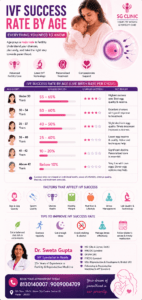
IVF Success Rate by Age – Quick Overview
| Age Group | Average IVF Success (Live Birth per Cycle)* |
|---|---|
| Under 30 | 55–65% |
| 30–34 Years | 50–60% |
| 35–37 Years | 40–50% |
| 38–40 Years | 25–40% |
| 41–42 Years | 10–20% |
| Above 42 Years | Below 10% (using own eggs) |
These are approximate ranges and vary depending on individual health, ovarian reserve, embryo quality, sperm quality, laboratory standards, and treatment protocols.
Why Does Age Affect IVF Success?
Women are born with a finite number of eggs. As age increases:
- Egg count declines.
- Egg quality decreases.
- Chromosomal abnormalities become more common.
- Embryo development is affected.
- Implantation rates decline.
- Miscarriage risk increases.
This gradual decline is the primary reason IVF success rates vary across different age groups.
IVF Success Rate Under 30 Years
Women below 30 generally have the highest IVF success rates.
Why?
Because they usually have:
- Excellent egg quality
- Healthy ovarian reserve
- Lower chromosomal abnormalities
- Better embryo development
- Higher implantation rates
Most embryos produced at this age have normal chromosomes, increasing the chances of healthy pregnancy.
Expected IVF Outcomes
✔ Excellent ovarian response
✔ Multiple high-quality embryos
✔ Higher blastocyst formation
✔ Lower miscarriage rates
✔ Better live birth rates
Common Reasons for IVF in Younger Women
Even though fertility is naturally high, IVF may still be recommended due to:
- Blocked fallopian tubes
- Severe male infertility
- Endometriosis
- Genetic disorders
- Failed IUI
- Unexplained infertility
With proper treatment from an experienced IVF Doctor in Noida, many couples in this age group achieve pregnancy within the first IVF cycle.
IVF Success Rate Between 30–34 Years
This age group still experiences excellent fertility outcomes.
Egg quality remains relatively good, although subtle changes may begin.
Typical Characteristics
- Good ovarian reserve
- Healthy embryos
- High implantation potential
- Lower miscarriage risk
Many fertility specialists consider this an ideal age for IVF if natural conception has not occurred after appropriate evaluation.
Factors Influencing Success
- AMH level
- AFC
- Sperm quality
- BMI
- Lifestyle
- Smoking
- PCOS
- Endometriosis
Early treatment usually results in favorable outcomes.
IVF Success Rate Between 35–37 Years
Age 35 marks an important transition in reproductive medicine.
Although many women successfully conceive naturally and through IVF, fertility begins declining more rapidly after this stage.
What Changes?
Egg quantity begins reducing faster.
Egg quality also starts declining.
Some embryos may contain abnormal chromosomes.
Implantation rates gradually reduce.
Miscarriage risk starts increasing.
Typical IVF Outcomes
Many women in this age group still produce healthy embryos and experience successful pregnancies.
However, fertility specialists may recommend:
- Blastocyst transfer
- Frozen embryo transfer
- Hormonal optimization
- Comprehensive fertility evaluation
An experienced IVF Specialist in Noida can identify factors affecting success and tailor treatment accordingly.
IVF Success Rate Between 38–40 Years
This age group often requires more individualized treatment planning.
The decline in egg quality becomes more noticeable.
Biological Changes
- Lower ovarian reserve
- Reduced response to ovarian stimulation
- Fewer mature eggs
- Increased chromosomal abnormalities
- Lower implantation rates
Despite these changes, many women achieve pregnancy with personalized IVF protocols.
Treatment Strategies
Your fertility specialist may recommend:
- Individualized ovarian stimulation
- Advanced embryo culture
- Blastocyst transfer
- Frozen embryo transfer
- Lifestyle optimization
- Genetic embryo testing (when appropriate)
Success depends on the overall reproductive health rather than age alone.
IVF Success Rate Between 41–42 Years
Fertility declines significantly during this period.
Most women experience:
- Lower egg reserve
- Reduced egg quality
- Fewer embryos
- Higher miscarriage risk
However, pregnancy remains possible.
Important Evaluation
Your fertility doctor may recommend:
- AMH Test
- AFC Scan
- Hormonal Profile
- Semen Analysis
- Uterine Assessment
Based on these findings, treatment options can be individualized.
Some patients may benefit from additional advanced reproductive techniques depending on their medical condition.
IVF Success Rate Above 42 Years
After 42, fertility declines considerably due to age-related changes in egg quality.
Challenges Include
- Fewer mature eggs
- Higher chromosomal abnormalities
- Lower implantation rates
- Increased miscarriage risk
Nevertheless, successful pregnancies can still occur, particularly when treatment is carefully planned and patients receive individualized counseling.
Does IVF Completely Overcome Age?
A common misconception is:
“IVF can completely reverse age-related infertility.”
This is not accurate.
IVF improves the chances of conception by assisting fertilization and embryo transfer, but it cannot restore egg quality lost due to aging.
Therefore, timely consultation is extremely important.
Why Some Women of the Same Age Have Different IVF Outcomes
Age is important—but it is not the only factor.
For example:
Patient A (38 Years)
- Excellent AMH
- Healthy uterus
- Good sperm quality
- Healthy lifestyle
May produce several high-quality embryos.
Patient B (38 Years)
- Low ovarian reserve
- Endometriosis
- Obesity
- Smoking history
May have lower IVF success despite being the same age.
This is why fertility specialists emphasize personalized fertility assessment rather than relying on age alone.
Medical Tests That Help Predict IVF Success
Before starting IVF, your fertility specialist may advise several investigations to estimate the likelihood of success.
These include:
AMH (Anti-Müllerian Hormone)
Evaluates ovarian reserve.
AFC (Antral Follicle Count)
Measures the number of small follicles in the ovaries.
Hormonal Evaluation
Including FSH, LH, Estradiol, Thyroid, and Prolactin.
Semen Analysis
Assesses sperm count, motility, and morphology.
Ultrasound Examination
Evaluates the uterus and ovaries.
Hysteroscopy (if indicated)
Checks for uterine abnormalities that could affect implantation.
These investigations help create an individualized treatment plan.
When Should You Consult an IVF Specialist?
You should consider consulting an IVF Doctor in Noida if:
- You are below 35 and have been trying to conceive for over 12 months.
- You are 35 or older and have been trying for over 6 months.
- You have irregular periods.
- You have PCOS or endometriosis.
- You have recurrent miscarriages.
- You have blocked fallopian tubes.
- Male infertility has been diagnosed.
- You have had previous unsuccessful fertility treatments.
Early consultation often improves treatment planning and may increase the chances of success.
Expert Advice from Dr. Sweta Gupta
According to Dr. Sweta Gupta, an experienced IVF Specialist in Noida, many couples delay seeking fertility evaluation because they believe time is on their side.
However, reproductive potential changes with age, and timely assessment allows for informed decisions, personalized treatment, and, when appropriate, fertility preservation options. Each couple’s situation is unique, and early consultation helps identify factors that can be addressed before they significantly impact treatment outcomes.
Key Takeaways
- Age has a major influence on IVF success, but it is not the only determinant.
- Women under 35 generally have the highest chances of IVF success.
- Fertility gradually declines after 35 and more noticeably after 38.
- Personalized evaluation—including AMH, AFC, and uterine assessment—is essential for estimating success.
- Lifestyle, sperm quality, underlying medical conditions, and embryo quality also play important roles.
- Consulting an experienced IVF Specialist in Noida early can help optimize treatment strategies and improve outcomes.
Factors That Affect IVF Success Rate
Many couples believe that age is the only factor that determines IVF success, but this is only part of the picture. While age is one of the strongest predictors, several medical, lifestyle, and laboratory factors work together to influence the outcome of IVF treatment.
Two women of the same age may have very different IVF experiences. One may conceive in the first cycle, while another may require multiple treatment cycles. This difference often comes down to egg quality, sperm health, uterine condition, hormonal balance, embryo development, and overall health.
At SG Clinic, Noida, Dr. Sweta Gupta, a trusted IVF Specialist in Noida, carefully evaluates each patient’s fertility profile before designing a personalized treatment plan. This individualized approach helps maximize the chances of a healthy pregnancy.
Let’s explore the most important factors that influence IVF success.
1. Female Age
Age remains the single most significant factor affecting IVF success.
Women are born with a fixed number of eggs. As age increases:
- Egg quantity decreases.
- Egg quality declines.
- Chromosomal abnormalities become more common.
- Implantation rates reduce.
- Miscarriage risk increases.
The decline is gradual before age 35 but accelerates after 35 and becomes more pronounced after 38.
Expert Tip: If you are over 35 and have been trying to conceive for more than six months, consult an experienced IVF Doctor in Noida for an early fertility assessment.
2. Egg Quality
Many patients focus on the number of eggs retrieved during IVF, but quality is often more important than quantity.
Healthy eggs are more likely to:
- Fertilize successfully
- Develop into healthy embryos
- Implant in the uterus
- Result in a healthy pregnancy
Poor egg quality can lead to:
- Failed fertilization
- Slow embryo growth
- Implantation failure
- Early miscarriage
Factors affecting egg quality include:
- Age
- Smoking
- Obesity
- Oxidative stress
- Certain medical conditions
3. Ovarian Reserve (Egg Quantity)
Ovarian reserve refers to the number of eggs remaining in the ovaries.
Doctors assess ovarian reserve using:
- AMH (Anti-Müllerian Hormone)
- Antral Follicle Count (AFC)
- Hormonal blood tests (FSH, LH, Estradiol)
A lower ovarian reserve does not always mean pregnancy is impossible, but it may influence the number of eggs retrieved during an IVF cycle and the treatment strategy.
4. AMH Levels
AMH is one of the most valuable indicators of ovarian reserve.
Higher AMH levels generally suggest:
- Better response to ovarian stimulation
- More follicles available
- Greater number of eggs retrieved
Lower AMH levels may indicate:
- Reduced ovarian reserve
- Fewer eggs during stimulation
However, AMH does not measure egg quality. Women with lower AMH can still achieve pregnancy if the available eggs are healthy.
5. Antral Follicle Count (AFC)
AFC is measured through a transvaginal ultrasound at the beginning of the menstrual cycle.
It estimates the number of small follicles in the ovaries and helps predict how the ovaries may respond to fertility medications.
A good AFC generally allows for:
- Better ovarian response
- More mature eggs
- Greater embryo selection options
6. Embryo Quality
Even if fertilization occurs successfully, not every embryo has the same potential to implant.
Embryologists evaluate embryos based on:
- Cell division pattern
- Symmetry
- Fragmentation
- Blastocyst development
- Growth rate
High-quality embryos generally have a better chance of implantation.
Advanced IVF laboratories use sophisticated incubation systems to optimize embryo development before transfer.
7. Sperm Quality
IVF success depends on both partners.
Male fertility factors account for a significant proportion of infertility cases.
Important sperm parameters include:
- Sperm count
- Motility
- Morphology
- DNA integrity
Poor sperm quality can affect:
- Fertilization
- Embryo quality
- Implantation
- Pregnancy outcomes
In some cases, advanced techniques such as ICSI (Intracytoplasmic Sperm Injection) may be recommended.
8. Uterine Health
Even a healthy embryo requires a receptive uterus for successful implantation.
Conditions that may reduce implantation include:
- Endometrial polyps
- Fibroids
- Uterine septum
- Chronic endometritis
- Scar tissue (Asherman’s syndrome)
- Thin endometrial lining
Before IVF, your IVF Specialist in Noida may recommend imaging or hysteroscopy to evaluate the uterine cavity.
9. Endometrial Thickness
The lining of the uterus (endometrium) plays an essential role in implantation.
An adequately developed endometrial lining supports embryo attachment and early pregnancy.
Factors affecting endometrial thickness include:
- Hormonal balance
- Blood supply
- Previous uterine surgery
- Infection
- Certain medications
Doctors monitor endometrial development carefully before embryo transfer.
10. PCOS (Polycystic Ovary Syndrome)
PCOS is one of the most common causes of female infertility.
Women with PCOS may experience:
- Irregular ovulation
- Hormonal imbalance
- Insulin resistance
- Difficulty conceiving naturally
The encouraging news is that many women with PCOS respond well to IVF when treatment is individualized.
Lifestyle modifications, weight management, and appropriate ovarian stimulation protocols can improve outcomes.
11. Endometriosis
Endometriosis can affect fertility by:
- Damaging ovarian tissue
- Reducing egg quality
- Affecting fallopian tubes
- Altering pelvic anatomy
- Creating inflammation
The severity of endometriosis influences its impact on IVF success.
A thorough evaluation helps determine the best treatment approach before IVF.
12. Body Weight (BMI)
Both underweight and overweight individuals may experience reduced fertility.
Obesity can affect:
- Hormone levels
- Egg quality
- Ovarian response
- Implantation
- Pregnancy complications
Maintaining a healthy BMI before IVF can improve overall reproductive health and treatment outcomes.
13. Smoking
Smoking is strongly associated with reduced fertility.
It may:
- Accelerate ovarian aging
- Reduce egg quality
- Decrease sperm quality
- Lower implantation rates
- Increase miscarriage risk
Stopping smoking before IVF is one of the most beneficial lifestyle changes couples can make.
14. Alcohol Consumption
Excessive alcohol intake may negatively influence reproductive health in both men and women.
Reducing or avoiding alcohol while trying to conceive is generally recommended to support fertility and early pregnancy.
15. Nutrition
A balanced diet supports reproductive health by providing essential nutrients for hormone production, egg development, and overall well-being.
Foods commonly encouraged include:
- Fresh fruits and vegetables
- Whole grains
- Lean proteins
- Healthy fats (nuts, seeds, olive oil)
- Dairy (if appropriate)
- Adequate hydration
A nutrition plan should be personalized based on individual health conditions.
16. Exercise
Regular physical activity helps maintain:
- Healthy weight
- Better insulin sensitivity
- Improved cardiovascular health
- Reduced stress
However, excessive or very intense exercise may negatively affect ovulation in some women. Moderation is key.
17. Stress and Emotional Well-being
Fertility treatment can be emotionally demanding.
Although stress alone does not directly cause infertility, chronic stress may:
- Affect sleep
- Influence lifestyle habits
- Increase anxiety during treatment
- Reduce overall quality of life
Supportive counseling, mindfulness practices, and open communication with the fertility team can help couples cope during their IVF journey.
18. Previous IVF History
A previous unsuccessful IVF cycle does not mean future treatment will fail.
Your fertility specialist will review:
- Medication response
- Egg retrieval results
- Fertilization rates
- Embryo quality
- Implantation outcomes
This information helps refine future treatment protocols.
19. Fertility Clinic and Laboratory Standards
The quality of the IVF laboratory is a critical component of treatment success.
Important factors include:
- Advanced embryo culture systems
- Experienced embryologists
- Strict quality control
- Modern laboratory technology
- Personalized treatment protocols
Choosing an experienced IVF Doctor in Noida and a well-equipped fertility center can make a meaningful difference in overall care.
20. Following Medical Advice
Adhering to prescribed medications, attending follow-up appointments, and following treatment instructions are essential for a smooth IVF cycle.
Patients are encouraged to discuss any concerns with their fertility specialist rather than making changes independently.
Can IVF Success Be Improved?
While no treatment can guarantee pregnancy, several measures may optimize the chances of success:
- Seek evaluation early rather than delaying treatment.
- Maintain a healthy weight.
- Eat a balanced, nutrient-rich diet.
- Avoid smoking and limit alcohol.
- Manage chronic medical conditions.
- Get adequate sleep and regular physical activity.
- Follow your fertility specialist’s guidance closely.
- Attend all scheduled appointments and monitoring visits.
These steps help create a healthier environment for conception and pregnancy.
Why Choose Dr. Sweta Gupta for IVF Care in Noida?
When considering fertility treatment, experience and personalized care matter.
Dr. Sweta Gupta, a leading IVF Specialist in Noida and IVF Doctor in Noida, has over 25 years of experience in reproductive medicine and infertility management. Her international qualifications, evidence-based approach, and patient-centered care allow couples to receive individualized treatment based on their unique fertility profile.
At SG Clinic, Noida, comprehensive fertility evaluations, advanced diagnostic techniques, and customized IVF protocols are combined with compassionate counseling to support couples at every stage of their parenthood journey.
Key Takeaways
- IVF success depends on multiple factors beyond age.
- Egg quality, ovarian reserve, embryo quality, sperm health, and uterine condition all influence outcomes.
- Lifestyle factors such as smoking, obesity, nutrition, and stress can also impact fertility.
- Comprehensive fertility assessment helps identify modifiable factors before treatment.
- Personalized care from an experienced IVF Specialist in Noida can improve treatment planning and optimize the chances of success.
How to Improve IVF Success Rate: Expert Tips from an IVF Specialist in Noida
One of the most common questions couples ask before starting fertility treatment is:
“Is there anything we can do to improve our IVF success rate?”
The answer is yes.
Although no doctor can guarantee pregnancy, there are many evidence-based steps that can optimize fertility and improve the likelihood of a successful IVF outcome.
The success of IVF depends on a combination of:
- Healthy eggs
- Good-quality sperm
- A receptive uterus
- High-quality embryos
- Advanced laboratory techniques
- Personalized treatment planning
- A healthy lifestyle
- Timely medical intervention
At SG Clinic, Noida, Dr. Sweta Gupta, an experienced IVF Specialist in Noida, believes that successful fertility treatment begins long before the embryo transfer. Careful preparation, comprehensive evaluation, and individualized treatment plans help maximize the chances of conception.
1. Do Not Delay Fertility Treatment
Time is one of the most important factors in fertility.
Many couples wait several years before consulting an infertility specialist, hoping that pregnancy will occur naturally.
However, fertility declines with age, especially after 35 years.
Early consultation allows doctors to:
- Identify fertility problems sooner
- Treat underlying conditions
- Preserve ovarian reserve
- Improve IVF planning
- Avoid unnecessary delays
If you have been trying to conceive for:
- 12 months (under age 35) or
- 6 months (35 years or older)
consult an experienced IVF Doctor in Noida without delay.
2. Undergo a Complete Fertility Evaluation
Every couple’s fertility journey is different.
Before starting IVF, your fertility specialist may recommend:
Female Evaluation
- AMH Test
- AFC Scan
- Hormonal Profile
- Thyroid Function
- Prolactin
- Pelvic Ultrasound
- Tubal Assessment
- Uterine Evaluation
Male Evaluation
- Semen Analysis
- Sperm DNA Fragmentation (if indicated)
- Hormonal Tests
- Ultrasound (when required)
Accurate diagnosis allows treatment to be tailored to the underlying cause of infertility.
3. Maintain a Healthy Weight
Body weight influences hormone balance, ovulation, implantation, and pregnancy outcomes.
Overweight Women May Experience
- Reduced ovulation
- Insulin resistance
- Poor egg quality
- Lower implantation rates
- Higher miscarriage risk
Underweight Women May Experience
- Hormonal imbalance
- Irregular menstrual cycles
- Poor ovulation
Achieving a healthy BMI before IVF may improve treatment response and pregnancy outcomes.
4. Eat a Fertility-Friendly Diet
Nutrition plays a key role in reproductive health.
A balanced diet supports:
- Hormone production
- Egg development
- Sperm quality
- Endometrial health
- Overall well-being
Recommended Foods
Fresh Fruits
Rich in antioxidants that help protect eggs from oxidative stress.
Examples:
- Berries
- Oranges
- Kiwi
- Apples
- Pomegranate
Green Vegetables
Excellent sources of folate, iron, and vitamins.
Examples:
- Spinach
- Broccoli
- Kale
- Fenugreek leaves
- Lettuce
Lean Protein
Protein supports hormone production and cell repair.
Choose:
- Fish (low-mercury varieties)
- Eggs
- Chicken
- Lentils
- Beans
- Paneer
- Tofu
Healthy Fats
Healthy fats support reproductive hormones.
Examples:
- Walnuts
- Almonds
- Flaxseeds
- Chia seeds
- Olive oil
- Avocado
Whole Grains
Instead of refined carbohydrates, include:
- Oats
- Brown rice
- Quinoa
- Whole wheat
- Millets
5. Stay Hydrated
Adequate water intake supports:
- Blood circulation
- Nutrient transport
- Hormonal balance
- General health
Aim for sufficient hydration daily unless otherwise advised by your doctor.
6. Stop Smoking
Smoking is one of the most significant lifestyle factors that negatively affects fertility.
It can:
- Accelerate ovarian aging
- Reduce egg quality
- Damage sperm DNA
- Lower implantation rates
- Increase miscarriage risk
Quitting smoking before IVF is strongly recommended for both partners.
7. Avoid Excessive Alcohol
Excessive alcohol consumption may affect reproductive hormones and fertility.
Couples planning pregnancy are generally advised to minimize or avoid alcohol during fertility treatment and pregnancy planning.
8. Limit Excessive Caffeine
Moderate caffeine intake is generally acceptable, but excessive consumption may not be advisable during fertility treatment.
Discuss your individual intake with your fertility specialist.
9. Exercise Regularly
Regular physical activity supports:
- Healthy body weight
- Better circulation
- Improved insulin sensitivity
- Reduced stress
- Overall reproductive health
Suitable activities include:
- Walking
- Yoga
- Swimming
- Light strength training
- Cycling (moderately)
Avoid sudden, strenuous exercise during certain phases of IVF treatment unless advised by your doctor.
10. Get Adequate Sleep
Sleep influences:
- Hormone regulation
- Stress levels
- Metabolism
- Immune function
Aim for 7–9 hours of quality sleep each night to support overall health during fertility treatment.
11. Manage Stress Effectively
Infertility and IVF can be emotionally challenging.
While stress alone is not considered a direct cause of infertility, reducing stress may improve emotional well-being and treatment adherence.
Helpful strategies include:
- Meditation
- Deep breathing exercises
- Yoga
- Journaling
- Counseling
- Support groups
- Spending time with family
At SG Clinic, couples are encouraged to seek emotional support alongside medical treatment.
12. Follow Your Medication Schedule Carefully
IVF medications are carefully timed.
Skipping doses or changing medication schedules without medical advice may affect ovarian stimulation and treatment planning.
Always:
- Take medications exactly as prescribed.
- Attend monitoring appointments.
- Inform your doctor about any side effects.
- Avoid self-medication.
13. Optimize Sperm Health
Male fertility contributes significantly to IVF outcomes.
Recommendations include:
- Avoid smoking
- Limit alcohol
- Maintain a healthy weight
- Exercise regularly
- Avoid excessive heat exposure
- Eat a balanced diet
- Manage chronic illnesses
Improving sperm health may positively influence fertilization and embryo quality.
14. Treat Underlying Medical Conditions
Certain conditions should be managed before IVF whenever possible.
These may include:
- Thyroid disorders
- Diabetes
- PCOS
- Endometriosis
- Fibroids
- Vitamin deficiencies
- Hypertension
Optimizing overall health creates a more favorable environment for conception and pregnancy.
15. Improve Endometrial Health
Successful implantation requires a receptive uterine lining.
Your fertility specialist may monitor:
- Endometrial thickness
- Blood flow
- Hormonal support
- Uterine abnormalities
Treatment may be adjusted based on these findings to support embryo implantation.
Advanced Fertility Techniques That May Improve IVF Outcomes
Modern reproductive medicine offers several advanced technologies that can enhance treatment planning for selected patients.
Blastocyst Transfer
Instead of transferring embryos early, they may be cultured for several days until the blastocyst stage.
Potential benefits include:
- Better embryo selection
- Improved synchronization with the uterus
- Higher implantation potential in suitable patients
Frozen Embryo Transfer (FET)
Frozen embryo transfer allows embryos to be transferred in a later menstrual cycle.
Benefits may include:
- Better endometrial preparation
- Flexibility in treatment planning
- Reduced risk of ovarian hyperstimulation in selected cases
Intracytoplasmic Sperm Injection (ICSI)
ICSI involves injecting a single sperm directly into an egg.
It is commonly recommended in cases of:
- Severe male factor infertility
- Previous fertilization failure
- Low sperm count or motility
Preimplantation Genetic Testing (PGT)
In selected cases, embryos may be tested for certain chromosomal abnormalities before transfer.
PGT may be considered for:
- Recurrent pregnancy loss
- Repeated IVF failure
- Advanced maternal age
- Known genetic disorders
The decision to use PGT should always be individualized after consultation with a fertility specialist.
Fertility Preservation: Planning for the Future
For women who wish to delay pregnancy because of career plans, medical treatment, or personal reasons, fertility preservation may be an option.
Egg freezing can help preserve reproductive potential when performed at a younger age.
A consultation with an IVF Specialist in Noida can help determine whether fertility preservation is appropriate based on individual circumstances.
Common IVF Myths vs Facts
| Myth | Fact |
|---|---|
| IVF guarantees pregnancy. | IVF improves the chance of conception but cannot guarantee a successful pregnancy. |
| Age doesn’t matter if you choose IVF. | Age remains one of the most important factors influencing egg quality and success rates. |
| Bed rest for several days after embryo transfer improves implantation. | Normal daily activities are generally acceptable unless your doctor advises otherwise. |
| IVF always results in twins. | The likelihood depends on the number of embryos transferred and current clinical recommendations. |
| Stress alone causes IVF failure. | Stress is unlikely to be the sole cause, but managing emotional well-being is beneficial during treatment. |
| Every IVF cycle is the same. | Treatment protocols are individualized based on each couple’s medical profile. |
Why Choose Dr. Sweta Gupta – IVF Specialist in Noida?
Choosing the right fertility specialist can make a meaningful difference in your treatment journey.
Dr. Sweta Gupta is widely recognized as a trusted IVF Specialist in Noida and IVF Doctor in Noida, with more than 25 years of experience in reproductive medicine.
Why Patients Choose Dr. Sweta Gupta
- 25+ years of clinical expertise
- International qualifications and fellowships
- Personalized fertility treatment plans
- Evidence-based IVF protocols
- Advanced reproductive technology
- Compassionate patient care
- Transparent counseling
- Comprehensive infertility evaluation
- Focus on both female and male infertility
- Ethical and patient-centered approach
At SG Clinic, Noida, every couple receives individualized attention and a treatment strategy tailored to their unique fertility needs.
Key Takeaways
- IVF success can be optimized through early evaluation, healthy lifestyle choices, and personalized medical care.
- Maintaining a healthy weight, eating a balanced diet, avoiding smoking, and managing stress support reproductive health.
- Advanced techniques such as blastocyst transfer, FET, ICSI, and PGT may benefit selected patients.
- Individualized treatment planning is essential because every fertility journey is unique.
- Working with an experienced IVF Specialist in Noida, such as Dr. Sweta Gupta, helps ensure evidence-based care and informed decision-making throughout the IVF process.
Frequently Asked Questions (FAQs)
1. What is the ideal age for IVF treatment?
The highest IVF success rates are generally seen in women under the age of 35 because egg quality and ovarian reserve are usually better. However, successful IVF pregnancies are possible in women over 35 and even into their early 40s, depending on their individual fertility profile. Consulting an experienced IVF Specialist in Noida early can help determine the most suitable treatment plan.
2. Does IVF guarantee pregnancy?
No. IVF significantly improves the chances of pregnancy for many couples, but no fertility treatment can guarantee conception or a live birth. Success depends on factors such as age, egg quality, sperm quality, uterine health, embryo quality, and the underlying cause of infertility.
3. How many IVF cycles are usually needed?
Some couples conceive during their first IVF cycle, while others may require more than one cycle. The number of cycles varies according to age, ovarian reserve, embryo quality, medical history, and the cause of infertility.
4. What is the IVF success rate after 35?
Women between 35 and 37 years often have good IVF outcomes, although success rates are generally lower than in younger women. Early evaluation and personalized treatment improve the chances of success.
5. Is pregnancy possible after 40 through IVF?
Yes. Many women above 40 achieve pregnancy through IVF. However, egg quality usually declines with age, so success rates are generally lower than in younger age groups. A detailed fertility assessment helps determine the most appropriate treatment approach.
6. Does male age affect IVF success?
Yes. While female age has a greater impact, male fertility also influences IVF outcomes. Reduced sperm quality, motility, morphology, or DNA integrity can affect fertilization and embryo development.
7. Can PCOS patients have successful IVF?
Yes. Women with PCOS often respond well to IVF when treatment is individualized. Careful ovarian stimulation and monitoring are important to achieve safe and effective outcomes.
8. Can endometriosis reduce IVF success?
Endometriosis may affect egg quality, ovarian reserve, pelvic anatomy, and implantation in some women. The extent of its impact depends on the severity of the condition and other fertility factors.
9. What tests are recommended before IVF?
Common investigations include:
- AMH Test
- AFC Scan
- Hormonal Profile
- Semen Analysis
- Pelvic Ultrasound
- Thyroid Function Tests
- Uterine Evaluation
- Additional tests when clinically indicated
10. What is AMH?
AMH (Anti-Müllerian Hormone) is a blood test used to estimate ovarian reserve. It helps doctors predict how the ovaries may respond to fertility medications but does not directly measure egg quality.
11. Is IVF painful?
Most IVF procedures involve minimal discomfort. Egg retrieval is generally performed under anesthesia or sedation, and embryo transfer is usually a quick procedure that does not require anesthesia.
12. How long does one IVF cycle take?
A typical IVF cycle generally takes about 4–6 weeks, depending on the treatment protocol and individual response to medications.
13. Can lifestyle changes improve IVF success?
Healthy lifestyle habits—including maintaining a balanced diet, regular exercise, adequate sleep, avoiding smoking, and managing stress—can support overall reproductive health and optimize treatment outcomes.
14. Should both partners undergo fertility evaluation?
Yes. Infertility can involve female factors, male factors, or both. Evaluating both partners helps identify the underlying cause and guides personalized treatment.
15. Is age the only factor affecting IVF success?
No. Other important factors include:
- Egg quality
- Ovarian reserve
- Sperm health
- Embryo quality
- Uterine health
- Lifestyle
- Medical conditions
- Laboratory quality
- Individual treatment protocol
16. Can stress cause IVF failure?
Stress alone is not considered a direct cause of IVF failure. However, managing emotional well-being may improve the overall treatment experience and help patients cope with the fertility journey.
17. Can I continue working during IVF treatment?
In many cases, women can continue working during IVF. Your doctor may advise temporary activity modifications depending on the stage of treatment and your individual condition.
18. Is bed rest required after embryo transfer?
Routine prolonged bed rest is generally not recommended after embryo transfer. Most patients can resume normal daily activities as advised by their fertility specialist.
19. When should I consult an IVF Specialist?
Consult an IVF Doctor in Noida if:
- You are under 35 and have been trying to conceive for 12 months.
- You are over 35 and have been trying for 6 months.
- You have irregular periods.
- You have recurrent miscarriages.
- You have blocked fallopian tubes.
- You have severe male infertility.
- You have PCOS or endometriosis.
- You have experienced previous IVF failure.
20. Why choose Dr. Sweta Gupta for IVF treatment?
Dr. Sweta Gupta is an internationally trained IVF Specialist in Noida with over 25 years of experience in reproductive medicine. Her patient-focused approach, advanced fertility expertise, and personalized treatment plans help couples receive evidence-based fertility care tailored to their individual needs.
IVF Success Rate by Age – Quick Summary
| Age Group | General Trend |
|---|---|
| Below 30 | Highest likelihood of success due to better egg quality and ovarian reserve |
| 30–34 Years | Excellent outcomes for many patients with individualized treatment |
| 35–37 Years | Gradual decline in fertility, but many successful IVF pregnancies |
| 38–40 Years | Moderate reduction in success; personalized care becomes increasingly important |
| 41–42 Years | Lower success rates, requiring detailed evaluation and individualized protocols |
| Above 42 Years | Pregnancy remains possible, though success with own eggs is generally lower |
Success rates vary based on individual medical factors and should always be discussed with a fertility specialist.
Signs You Should Not Delay Fertility Consultation
Seek professional fertility advice if you experience:
- Difficulty conceiving after the recommended time frame
- Irregular or absent menstrual cycles
- Recurrent miscarriages
- Severe menstrual pain
- Endometriosis
- PCOS
- Low AMH levels
- Previous pelvic surgery
- Blocked fallopian tubes
- Male factor infertility
- History of chemotherapy or radiation
- Advanced maternal age
Early diagnosis often allows for more treatment options and informed family planning.
Questions to Ask During Your First IVF Consultation
Before beginning treatment, consider discussing the following with your fertility specialist:
- What is the likely cause of our infertility?
- What tests are required?
- What treatment options are suitable for us?
- How many IVF cycles might be needed?
- What are the benefits and limitations of IVF in our situation?
- What lifestyle changes should we make?
- Are advanced techniques such as ICSI or PGT appropriate for us?
- How should we prepare physically and emotionally?
These discussions help ensure realistic expectations and shared decision-making.
Emotional Well-being During the IVF Journey
Infertility treatment is not only a medical journey but also an emotional one.
It is normal to experience:
- Anxiety
- Hope
- Frustration
- Excitement
- Uncertainty
Couples may benefit from:
- Open communication with each other
- Guidance from the fertility team
- Counseling when needed
- Support groups
- Mindfulness and stress-reduction techniques
- Maintaining a healthy work-life balance
Remember that every fertility journey is unique, and progress may differ from one couple to another.
Why Choose SG Clinic, Noida?
At SG Clinic, fertility care is centered around personalized treatment, transparency, and evidence-based medicine.
Our Approach Includes:
- Comprehensive infertility evaluation
- Individualized IVF treatment plans
- Advanced reproductive technology
- Experienced embryology support
- International treatment standards
- Compassionate counseling
- Ethical medical practice
- Continuous patient guidance throughout the treatment journey
Every treatment plan is designed after carefully evaluating the unique needs and goals of each couple.
About Dr. Sweta Gupta
Dr. Sweta Gupta is a highly experienced IVF Specialist in Noida and IVF Doctor in Noida, dedicated to helping couples overcome infertility through advanced reproductive medicine.
Qualifications
- MD (Obs & Gynae), Delhi
- MRCOG (London)
- DFSRH (UK)
- FRCOG (London)
- MSc (Reproduction & Development), Bristol, UK
- Fellowship in Reproductive Medicine & ART (London)
With more than 25 years of clinical experience, Dr. Sweta Gupta combines international training with patient-centered care to provide comprehensive fertility solutions.
Conclusion
Understanding the relationship between age and IVF success empowers couples to make informed decisions about their fertility journey. While age is an important factor, it is only one part of the overall picture. Egg quality, sperm health, uterine conditions, lifestyle, medical history, and individualized treatment planning all contribute to the outcome of IVF.
The encouraging news is that advances in reproductive medicine have expanded treatment options for many couples, making parenthood possible even in complex fertility situations. Early evaluation, evidence-based care, and a personalized approach remain the foundation of successful fertility treatment.
If you are facing challenges in conceiving or would like to understand your fertility potential, consulting an experienced IVF Specialist in Noida can help you explore the most appropriate options based on your individual circumstances.
At SG Clinic, Noida, Dr. Sweta Gupta and her team are committed to providing compassionate, ethical, and personalized fertility care to support couples throughout every stage of their journey toward parenthood.
Ready to Take the Next Step?
If you have questions about infertility, IVF treatment, or your chances of conception, schedule a consultation with Dr. Sweta Gupta, a trusted IVF Doctor in Noida.
📍 SG Clinic
3D-5L, Wave City Center, Sector 32, Noida – 201301
📞 Book an Appointment:
8130140007 | 9009004709