

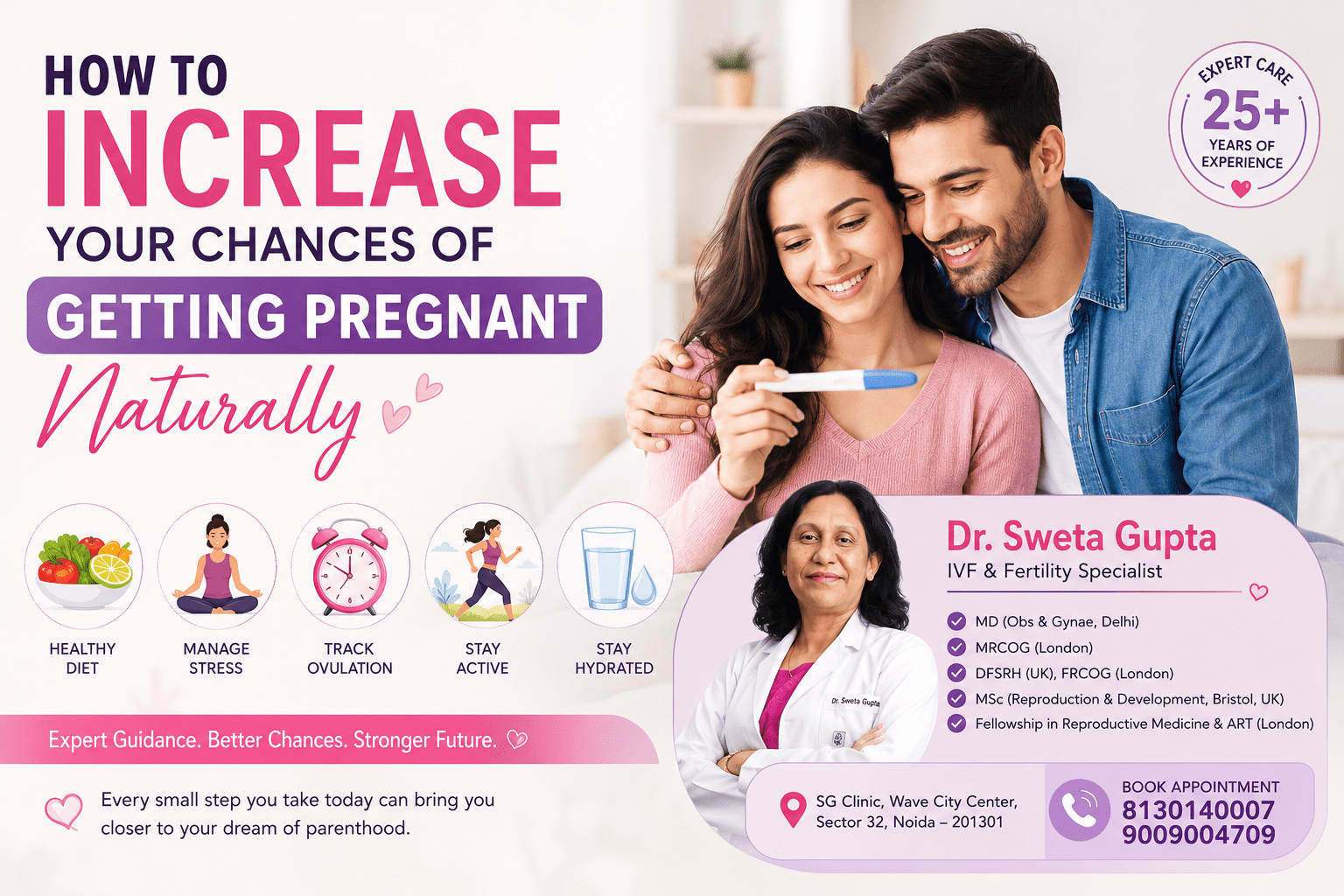
For many couples, the journey toward parenthood begins with excitement, hope, and dreams of welcoming a healthy baby into their lives. While some conceive quickly, others may find that pregnancy takes longer than expected. This difference is completely normal. Every couple has a unique fertility journey influenced by age, lifestyle, overall health, genetics, hormonal balance, and reproductive health.
If you’ve been trying to conceive naturally, there are several scientifically proven steps you can take to improve your chances of becoming pregnant. Small lifestyle modifications, proper nutrition, understanding your menstrual cycle, and maintaining emotional well-being can significantly enhance natural fertility.
As a fertility specialist with over 25 years of experience, I have helped thousands of couples understand their reproductive health and make informed decisions about conception. While assisted reproductive technologies such as IVF are valuable for many patients, I always encourage couples to optimize their natural fertility whenever possible before considering advanced fertility treatments.
In this comprehensive guide, I’ll explain how pregnancy occurs naturally, what factors influence fertility, how to identify your fertile window, and the most effective natural methods to increase your chances of conceiving.
Table of Contents
- Introduction
- Meet Dr. Sweta Gupta – Your Fertility Expert
- Understanding Fertility
- Can Healthy Couples Take Time to Conceive?
- How Pregnancy Happens Naturally
- Factors That Affect Natural Fertility
- Female Fertility Factors
- Male Fertility Factors
- The Importance of Ovulation
- Understanding Your Menstrual Cycle
- What Is the Fertile Window?
- Signs You May Be Ovulating
- Best Time to Have Intercourse to Conceive
- Top 10 Natural Ways to Increase Your Chances of Pregnancy
- Understand Your Fertile Window
- Maintain Regular Intercourse
- Maintain a Healthy Weight
- Eat a Fertility-Friendly Diet
- Stay Physically Active
- Prioritize Quality Sleep
- Manage Stress Effectively
- Avoid Smoking and Limit Alcohol
- Reduce Caffeine Intake
- Schedule a Preconception Health Check
- Why Lifestyle Matters for Fertility
- The Best Fertility Diet for Women
- Foods That Support Female Fertility
- Foods That May Improve Egg Quality
- Fertility-Friendly Foods for Men
- Importance of Hydration
- Essential Vitamins and Nutrients That Support Fertility
- Folic Acid
- Vitamin D
- Iron
- Vitamin B12
- Omega-3 Fatty Acids
- Maintaining a Healthy Body Weight
- Exercise and Fertility
- Can Yoga Improve Fertility?
- Sleep and Reproductive Health
- Managing Stress While Trying to Conceive
- Avoid Smoking for Better Fertility
- Alcohol and Fertility
- Caffeine and Fertility
- Environmental Factors That May Affect Fertility
- Why Preconception Health Checkups Are Important
- Common Mistakes Couples Make While Trying to Conceive
- Fertility Myths vs Facts
- Medical Conditions That Can Affect Natural Pregnancy
- Polycystic Ovary Syndrome (PCOS)
- Endometriosis
- Thyroid Disorders
- Uterine Fibroids
- Blocked Fallopian Tubes
- Understanding Male Infertility
- Age and Fertility
- Female Fertility and Age
- Male Fertility and Age
- When Should You See a Fertility Specialist?
- What Happens During Your First Fertility Consultation?
- How Dr. Sweta Gupta Helps Couples Achieve Parenthood
- Why Choose Dr. Sweta Gupta?
- About SG Clinic, Noida
- Final Thoughts
- Frequently Asked Questions (FAQs)
- Book Your Fertility Consultation with Dr. Sweta Gupta
Meet Your Fertility Expert
Dr. Sweta Gupta
MD (Obs & Gynae, Delhi)
MRCOG (London)
DFSRH (UK)
FRCOG (London)
MSc (Reproduction & Development, Bristol, UK)
Fellowship in Reproductive Medicine & ART (London)
With more than 25 years of clinical experience in Obstetrics, Gynaecology, Reproductive Medicine, and Assisted Reproductive Technology (ART), Dr. Sweta Gupta has successfully guided countless couples through their fertility journey. Her patient-centric approach combines international expertise with compassionate care to provide individualized fertility solutions for every couple.
Whether you’re planning your first pregnancy or facing fertility challenges, understanding your body’s natural reproductive process is the first step toward achieving your dream of parenthood.
Understanding Fertility
Fertility refers to the natural ability to conceive and achieve a healthy pregnancy. Contrary to common belief, becoming pregnant isn’t solely dependent on timing intercourse. Successful conception requires a series of complex biological events to occur perfectly.
For pregnancy to happen naturally:
- The woman must release a healthy egg (ovulation).
- The fallopian tubes should be open and functional.
- The uterus should provide a healthy environment for embryo implantation.
- The male partner should produce healthy sperm with adequate count, motility, and morphology.
- Fertilization should occur successfully.
- The embryo should implant properly in the uterus.
Any disruption in these steps may reduce fertility.
The encouraging news is that many fertility issues can be improved through healthy lifestyle changes, early diagnosis, and timely medical guidance.
Can Healthy Couples Take Time to Conceive?
Absolutely.
Many couples become anxious after trying for just a few months. However, natural conception depends on probability rather than certainty.
Among healthy couples:
- Around 20–25% conceive in the first menstrual cycle.
- Nearly 60% conceive within six months.
- Approximately 80–85% conceive within one year.
- Around 90% conceive within two years without fertility treatment.
These numbers show that conception can naturally take time, even when both partners are healthy.
Patience, consistency, and maintaining overall health are essential.
How Pregnancy Happens Naturally
Understanding the reproductive process helps couples identify the best opportunities for conception.
Step 1: Ovulation
Every month, one mature egg is released from the ovary.
This usually occurs around the middle of the menstrual cycle.
Step 2: Sperm Travel
After intercourse, millions of sperm begin traveling through the cervix into the uterus and fallopian tubes.
Although millions are released, only a few hundred reach the egg.
Step 3: Fertilization
If a healthy sperm successfully penetrates the egg, fertilization occurs.
This creates an embryo.
Step 4: Embryo Development
The embryo travels toward the uterus over the next several days while dividing into multiple cells.
Step 5: Implantation
The embryo attaches to the uterine lining approximately 6–10 days after fertilization.
Successful implantation marks the beginning of pregnancy.
Factors That Affect Natural Fertility
Many factors influence fertility in both men and women.
Female Factors
- Age
- Hormonal balance
- Ovulation regularity
- Egg quality
- PCOS
- Endometriosis
- Thyroid disorders
- Uterine abnormalities
- Weight
- Lifestyle habits
Male Factors
- Sperm count
- Sperm motility
- Sperm morphology
- Smoking
- Alcohol
- Obesity
- Stress
- Heat exposure
- Medical conditions
Since fertility depends on both partners, evaluation should always involve the couple rather than focusing only on the woman.
The Importance of Ovulation
Ovulation is the single most important event for natural conception.
Without ovulation, pregnancy cannot occur.
Most women ovulate once every menstrual cycle, but ovulation may become irregular due to:
- PCOS
- Thyroid disorders
- Excessive stress
- Obesity
- Underweight
- Hormonal imbalance
- Premature ovarian insufficiency
Recognizing ovulation helps couples plan intercourse during the most fertile days.
Understanding Your Menstrual Cycle
A typical menstrual cycle lasts between 21 and 35 days, with 28 days being the average.
Menstrual Phase
Day 1 begins with menstruation.
Follicular Phase
Hormones stimulate the development of follicles containing immature eggs.
Ovulation
A mature egg is released.
Luteal Phase
The uterus prepares for implantation.
If pregnancy does not occur, menstruation begins and the cycle repeats.
Knowing your menstrual cycle is one of the simplest ways to improve natural fertility.
What Is the Fertile Window?
The fertile window refers to the days when pregnancy is most likely.
Since sperm can survive inside the female reproductive tract for up to five days, and the egg survives for approximately 24 hours, the fertile window includes:
- Five days before ovulation
- Ovulation day
- One day after ovulation
This means there are approximately six fertile days during every menstrual cycle.
Having intercourse during this period significantly increases pregnancy chances.
Signs You May Be Ovulating
Many women notice physical changes around ovulation.
Common signs include:
Clear Cervical Mucus
The mucus becomes clear, stretchy, and resembles raw egg whites.
This helps sperm survive and move more easily.
Mild Pelvic Pain
Some women experience slight discomfort on one side of the lower abdomen.
This is known as Mittelschmerz.
Increased Libido
Many women naturally experience increased sexual desire around ovulation.
Breast Tenderness
Hormonal changes can make breasts feel fuller or more sensitive.
Slight Increase in Basal Body Temperature
Body temperature rises slightly after ovulation.
Tracking this daily can help identify ovulation patterns over several months.
Positive Ovulation Test
Ovulation predictor kits detect the LH surge that occurs approximately 24–36 hours before ovulation.
These kits can be particularly useful for women with regular menstrual cycles.
Best Time to Have Intercourse
Many couples mistakenly believe intercourse should occur only on the day of ovulation.
In reality, sperm need time to reach the fallopian tubes before the egg is released.
The best recommendation is:
- Every alternate day throughout the fertile window.
- Daily intercourse is also acceptable if comfortable.
- Avoid waiting until ovulation has already occurred.
Consistent intercourse during fertile days provides the highest likelihood of fertilization.
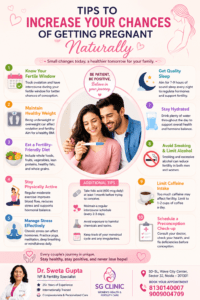
Top 10 Natural Ways to Increase Your Chances of Pregnancy
1. Understand Your Fertile Window
One of the most effective natural fertility strategies is accurately identifying your fertile days.
Track:
- Menstrual calendar
- Ovulation kits
- Cervical mucus
- Basal body temperature
- Fertility tracking apps
Knowing when you ovulate can significantly improve your chances of conception.
2. Maintain Regular Intercourse
Frequent intercourse during fertile days improves the chances of sperm meeting the egg.
For most couples, intercourse every 2–3 days throughout the cycle, with increased frequency during the fertile window, is ideal.
Avoid scheduling intercourse so rigidly that it becomes stressful. Maintaining intimacy naturally often leads to a healthier emotional experience while trying to conceive.
3. Maintain a Healthy Weight
Body weight has a direct impact on reproductive hormones.
Being underweight may suppress ovulation, while excess body weight can contribute to hormonal imbalances, insulin resistance, and conditions such as PCOS.
Aim for a balanced diet and regular physical activity to achieve a healthy Body Mass Index (BMI), which supports better fertility outcomes for both men and women.
4. Eat a Fertility-Friendly Diet
Nutrition plays a vital role in reproductive health.
A diet rich in whole grains, fresh fruits, vegetables, lean proteins, healthy fats, nuts, seeds, dairy (if tolerated), and antioxidant-rich foods supports hormone production and egg quality.
Limit highly processed foods, sugary beverages, and excessive trans fats, which may negatively affect fertility.
5. Stay Physically Active
Moderate exercise improves blood circulation, supports hormonal balance, reduces stress, and helps maintain a healthy weight.
Activities such as walking, swimming, yoga, cycling, and strength training are beneficial.
However, excessive high-intensity exercise without adequate nutrition may disrupt ovulation in some women.
6. Prioritize Quality Sleep
Sleep is often overlooked, yet it plays a significant role in hormone regulation.
Aim for 7–9 hours of quality sleep each night to support reproductive hormone balance, immune function, and overall well-being.
Poor sleep patterns can affect ovulation and fertility over time.
7. Manage Stress Effectively
While stress alone may not directly cause infertility, chronic stress can influence hormonal balance and reduce overall reproductive health.
Incorporate stress-management techniques such as:
- Meditation
- Deep breathing exercises
- Yoga
- Reading
- Nature walks
- Spending quality time with loved ones
Maintaining emotional well-being is an important part of your fertility journey.
8. Avoid Smoking and Limit Alcohol
Smoking has been linked to reduced egg quality, earlier ovarian aging, and decreased sperm quality.
Excessive alcohol intake may also impair fertility in both men and women.
If you’re trying to conceive, it’s advisable to avoid smoking entirely and limit or eliminate alcohol consumption.
9. Reduce Caffeine Intake
Moderate caffeine intake is generally considered safe, but excessive consumption may affect fertility in some individuals.
Limiting caffeine to less than 200 mg per day (about one to two cups of coffee) is often recommended for women trying to conceive.
10. Schedule a Preconception Health Check
Before attempting pregnancy, consider consulting a fertility specialist or gynecologist for a preconception evaluation.
This may include:
- Medical history review
- Menstrual cycle assessment
- Vaccination status
- Screening for chronic health conditions
- Thyroid function (if indicated)
- Nutritional counseling
- Folic acid supplementation advice
A proactive approach helps identify and address potential concerns early, increasing the likelihood of a healthy pregnancy.
Lifestyle, Nutrition & Daily Habits That Improve Natural Fertility
Many couples focus only on tracking ovulation when trying to conceive. While timing is important, overall reproductive health is equally essential. Healthy eggs, healthy sperm, balanced hormones, and a healthy uterus all depend on the choices you make every day.
Research has shown that nutrition, sleep, stress management, physical activity, and environmental factors can significantly influence fertility in both women and men. Although there is no guaranteed natural method to achieve pregnancy, adopting healthy habits can improve your chances of conception and support a healthy pregnancy.
As a fertility specialist, I encourage every couple to optimize their overall health before considering advanced fertility treatments. Even couples undergoing IVF often experience better outcomes when they improve their lifestyle beforehand.
Why Lifestyle Matters for Fertility
The reproductive system is closely connected to your body’s overall health. Hormones that regulate ovulation and sperm production are influenced by:
- Nutrition
- Body weight
- Physical activity
- Sleep quality
- Stress levels
- Medical conditions
- Smoking
- Alcohol
- Environmental toxins
Small improvements in these areas can positively affect fertility over time.
The Best Fertility Diet for Women
A nutritious, balanced diet supports hormone production, improves egg quality, and prepares the body for pregnancy.
Rather than following restrictive diets, focus on eating whole, nutrient-dense foods that provide vitamins, minerals, antioxidants, healthy fats, and protein.
Foods That Support Female Fertility
Green Leafy Vegetables
Spinach, kale, fenugreek leaves, mustard greens, broccoli, and lettuce are excellent sources of:
- Folate
- Iron
- Calcium
- Vitamin K
- Magnesium
Folate is especially important because it supports healthy egg development and reduces the risk of neural tube defects once pregnancy occurs.
Fresh Fruits
Colorful fruits contain antioxidants that protect eggs from oxidative stress.
Excellent choices include:
- Berries
- Oranges
- Kiwi
- Pomegranate
- Papaya
- Apples
- Guava
- Avocado
Vitamin C also supports hormone production and immune health.
Whole Grains
Choose:
- Oats
- Brown rice
- Whole wheat
- Millets
- Quinoa
Complex carbohydrates help stabilize blood sugar levels, which is particularly important for women with PCOS.
Healthy Proteins
Protein supports hormone production and tissue repair.
Good sources include:
- Eggs
- Fish
- Chicken
- Lentils
- Beans
- Chickpeas
- Paneer
- Greek yogurt
- Tofu
Try including protein in every meal.
Healthy Fats
Healthy fats are essential for reproductive hormones.
Include:
- Almonds
- Walnuts
- Flaxseeds
- Chia seeds
- Pumpkin seeds
- Olive oil
- Avocado
Omega-3 fatty acids may help improve reproductive health.
Foods That May Improve Egg Quality
Egg quality naturally declines with age, but nutrition may help reduce oxidative damage.
Focus on foods rich in antioxidants.
Examples include:
- Blueberries
- Strawberries
- Spinach
- Broccoli
- Beetroot
- Walnuts
- Brazil nuts
- Citrus fruits
- Tomatoes
Vitamin E, Vitamin C, Selenium, Zinc, and Coenzyme Q10 (under medical guidance) may support cellular health.
Fertility-Friendly Foods for Men
Male fertility contributes to nearly half of all infertility cases.
Improving sperm quality often begins with nutrition.
Zinc-Rich Foods
Zinc supports testosterone production and sperm development.
Good sources:
- Pumpkin seeds
- Cashews
- Chickpeas
- Lean meat
- Eggs
Selenium-Rich Foods
Selenium helps protect sperm DNA.
Sources include:
- Brazil nuts
- Tuna
- Eggs
- Brown rice
Vitamin C
Vitamin C reduces oxidative stress.
Eat:
- Oranges
- Lemons
- Kiwi
- Guava
- Bell peppers
Omega-3 Fatty Acids
Omega-3 supports healthy sperm membranes.
Sources:
- Salmon
- Sardines
- Walnuts
- Flaxseeds
Lycopene
Studies suggest lycopene may support sperm quality.
Foods include:
- Tomatoes
- Watermelon
- Pink grapefruit
Importance of Hydration
Water is often overlooked during fertility planning.
Proper hydration supports:
- Blood circulation
- Hormone transport
- Cervical mucus production
- Cellular function
Aim for approximately 2–3 litres of water daily, adjusting for climate and activity level.
Vitamins That Support Fertility
While a healthy diet should be the foundation, some nutrients are particularly important during preconception.
Always consult your doctor before starting supplements.
Folic Acid
Recommended before pregnancy.
Supports:
- Healthy fetal development
- Cell division
- Neural tube formation
Women planning pregnancy are generally advised to start folic acid at least one month before conception.
Vitamin D
Vitamin D deficiency is common.
Healthy levels support:
- Hormonal balance
- Bone health
- Immune function
Your doctor may recommend testing if deficiency is suspected.
Iron
Iron supports oxygen transport and healthy ovulation.
Women with heavy menstrual bleeding may require evaluation for iron deficiency.
Vitamin B12
Important for:
- Cell growth
- DNA synthesis
- Healthy pregnancy
Especially relevant for vegetarians and vegans.
Omega-3 Supplements
In some cases, omega-3 supplements may be recommended if dietary intake is inadequate.
Always follow medical advice regarding dosage.
Maintaining a Healthy Body Weight
Body weight significantly influences fertility.
Being Underweight
Women with very low body fat may experience:
- Irregular periods
- Delayed ovulation
- Hormonal imbalance
Being Overweight
Excess body weight may increase the risk of:
- PCOS
- Insulin resistance
- Irregular ovulation
- Pregnancy complications
Even a modest weight loss of 5–10% can improve ovulation in some women with obesity.
Exercise and Fertility
Regular physical activity improves overall health and supports reproductive function.
Recommended Activities
- Walking
- Swimming
- Yoga
- Cycling
- Light strength training
- Pilates
Aim for around 150 minutes of moderate exercise each week.
Avoid excessive high-intensity training without adequate nutrition, as it may affect ovulation in some women.
Can Yoga Improve Fertility?
Yoga cannot cure infertility, but it may help reduce stress, improve flexibility, and enhance overall well-being.
Popular practices include:
- Deep breathing
- Meditation
- Gentle stretching
- Relaxation exercises
These techniques may support emotional health during the fertility journey.
Sleep and Reproductive Health
Hormones involved in fertility are influenced by healthy sleep patterns.
Poor sleep may contribute to:
- Hormonal imbalance
- Increased stress hormones
- Reduced insulin sensitivity
- Fatigue
Aim for 7–9 hours of quality sleep every night.
Maintain a consistent bedtime and limit screen exposure before sleeping.
Managing Stress While Trying to Conceive
Trying for pregnancy can be emotionally challenging.
It’s natural to feel anxious when conception doesn’t happen immediately.
Although stress alone doesn’t usually cause infertility, chronic stress may affect lifestyle habits, hormone regulation, and relationship well-being.
Helpful strategies include:
- Meditation
- Yoga
- Mindfulness
- Reading
- Music
- Journaling
- Counseling
- Talking openly with your partner
Remember that emotional support is an important part of fertility care.
Avoid Smoking
Smoking negatively affects fertility in both men and women.
In women, smoking may:
- Reduce egg quality
- Accelerate ovarian aging
- Increase miscarriage risk
- Lower IVF success rates
In men, smoking may:
- Reduce sperm count
- Decrease sperm motility
- Increase abnormal sperm morphology
Stopping smoking is one of the most beneficial lifestyle changes for fertility.
Limit Alcohol Consumption
Excessive alcohol intake has been associated with reduced fertility.
If you are trying to conceive, limiting or avoiding alcohol is the safest choice for both partners.
Caffeine and Fertility
Moderate caffeine intake appears to be safe for most women trying to conceive.
General recommendations suggest limiting intake to less than 200 mg per day, roughly equivalent to one or two cups of coffee.
Environmental Factors That May Affect Fertility
Daily exposure to certain environmental toxins may influence reproductive health.
Consider reducing exposure to:
- Pesticides
- Industrial chemicals
- Heavy metals
- Excessive plastic food containers (especially when heated)
- Solvents
- Tobacco smoke
Simple steps such as using glass containers for hot food and washing fruits and vegetables thoroughly may help reduce exposure.
Why Preconception Health Checkups Are Important
A preconception consultation allows your doctor to identify and manage factors that could affect pregnancy.
During the visit, your doctor may review:
- Medical history
- Menstrual patterns
- Vaccination status
- Thyroid function (if indicated)
- Blood sugar levels
- Blood pressure
- Current medications
- Nutritional status
- Family history of genetic disorders
This proactive approach can improve the chances of a healthy conception and pregnancy.
Common Mistakes Couples Make While Trying to Conceive
Many couples unknowingly adopt habits that may reduce their chances of pregnancy.
Some common mistakes include:
Waiting Too Long to Seek Medical Advice
Women under 35 who have been trying for 12 months, or women aged 35 and above who have been trying for 6 months, should consider consulting a fertility specialist.
Depending Solely on Fertility Apps
Apps can estimate ovulation but may not accurately predict it for everyone, especially in women with irregular cycles.
Ignoring Male Fertility
Fertility is a shared responsibility. A semen analysis is often one of the first and simplest investigations during infertility evaluation.
Following Unverified Home Remedies
Many internet remedies lack scientific evidence and may delay appropriate medical evaluation.
Always discuss supplements or herbal products with your healthcare provider.
Excessive Stress About Timing
Scheduling intercourse too rigidly can create emotional pressure.
Maintaining a healthy relationship and regular intimacy is equally important.
Fertility Myths vs Facts
Myth: You can only get pregnant on the day of ovulation.
Fact: Pregnancy is possible during the fertile window, which includes the five days before ovulation and the day of ovulation.
Myth: Infertility is always a woman’s problem.
Fact: Male factors contribute to infertility in nearly half of affected couples.
Myth: Birth control pills permanently reduce fertility.
Fact: Fertility generally returns after stopping most contraceptive methods, although timing varies among individuals.
Myth: Every couple conceives within a few months.
Fact: Even healthy couples may take up to one year to conceive naturally.
Myth: Stress alone causes infertility.
Fact: Stress can influence overall well-being and lifestyle but is rarely the sole cause of infertility.
Expert Advice from Dr. Sweta Gupta
Natural conception is influenced by multiple factors, and every couple’s journey is unique. While healthy lifestyle choices can improve fertility, it’s equally important to recognize when expert evaluation is needed. Early assessment can identify treatable conditions, provide reassurance, and help couples make informed decisions without unnecessary delays.
Medical Conditions, Expert Guidance & FAQs
How to Increase Your Chances of Getting Pregnant Naturally
By Dr. Sweta Gupta – Senior IVF & Fertility Specialist, SG Clinic, Noida
In the previous sections, we discussed ovulation, the fertile window, nutrition, lifestyle changes, stress management, and healthy habits that can naturally improve fertility. While these measures benefit many couples, some individuals may still face challenges due to underlying medical conditions that affect conception.
The good news is that many fertility-related conditions can be diagnosed early and managed effectively with appropriate medical care. Seeking timely guidance from an experienced fertility specialist can help identify the root cause and improve the chances of achieving a healthy pregnancy.
At SG Clinic, Noida, Dr. Sweta Gupta combines more than 25 years of experience with internationally recognized training in reproductive medicine to provide personalized fertility care tailored to each couple’s needs.
Medical Conditions That Can Affect Natural Pregnancy
Several medical conditions can reduce fertility in women and men. Early diagnosis and treatment often improve the chances of conception.
1. Polycystic Ovary Syndrome (PCOS)
PCOS is one of the most common hormonal disorders affecting women of reproductive age.
Common Symptoms
- Irregular or absent menstrual periods
- Delayed ovulation
- Acne
- Excess facial hair
- Weight gain
- Difficulty conceiving
How PCOS Affects Fertility
Women with PCOS may not ovulate regularly, making it difficult to conceive naturally.
Can Women with PCOS Get Pregnant Naturally?
Yes.
Many women with PCOS achieve pregnancy through:
- Weight management
- Regular exercise
- Healthy eating
- Ovulation monitoring
- Medical treatment when necessary
Early diagnosis greatly improves pregnancy outcomes.
2. Endometriosis
Endometriosis occurs when tissue similar to the uterine lining grows outside the uterus.
Symptoms
- Severe menstrual pain
- Pain during intercourse
- Heavy periods
- Chronic pelvic pain
- Difficulty getting pregnant
Why It Affects Fertility
Endometriosis may:
- Damage fallopian tubes
- Affect egg quality
- Cause inflammation
- Reduce implantation rates
Early treatment helps preserve fertility.
3. Thyroid Disorders
The thyroid gland plays an important role in reproductive hormone regulation.
Both hypothyroidism and hyperthyroidism may affect:
- Ovulation
- Menstrual cycles
- Implantation
- Pregnancy outcomes
Simple blood tests can identify thyroid abnormalities, and treatment often improves fertility.
4. Uterine Fibroids
Fibroids are non-cancerous growths within or around the uterus.
Depending on their size and location, fibroids may:
- Distort the uterine cavity
- Affect implantation
- Increase miscarriage risk
Not all fibroids require treatment, but evaluation by a gynecologist is important.
5. Blocked Fallopian Tubes
Healthy fallopian tubes are necessary for sperm and egg to meet.
Blocked tubes may result from:
- Previous infections
- Endometriosis
- Pelvic surgery
- Tuberculosis (in some regions)
When both tubes are blocked, natural conception becomes difficult, and assisted reproductive treatments such as IVF may be recommended.
Understanding Male Infertility
Approximately 40–50% of infertility cases involve male factors.
Unfortunately, male fertility is often overlooked.
Common Causes
- Low sperm count
- Poor sperm motility
- Abnormal sperm morphology
- Varicocele
- Hormonal disorders
- Smoking
- Alcohol
- Obesity
- Diabetes
- Certain medications
Signs of Male Infertility
Many men have no obvious symptoms.
A semen analysis is one of the simplest and most important fertility investigations.
Age and Fertility
Age is one of the most important factors influencing natural conception.
Female Fertility
Women are born with a fixed number of eggs.
As age increases:
- Egg quantity decreases.
- Egg quality declines.
- Chromosomal abnormalities become more common.
- Miscarriage risk increases.
Generally:
- Fertility is highest in the 20s.
- It gradually declines after age 30.
- The decline becomes more noticeable after age 35.
- After age 40, natural conception rates decrease significantly.
This does not mean pregnancy is impossible after 35 or 40, but early planning and medical advice become increasingly important.
Male Fertility
Although men continue producing sperm throughout life, age can still affect:
- Sperm quality
- DNA integrity
- Fertility potential
Maintaining a healthy lifestyle benefits male reproductive health at every age.
When Should You See a Fertility Specialist?
Many couples delay seeking help because they assume more time will solve the problem.
Professional evaluation is recommended if:
Women Under 35 Years
Trying for 12 months without pregnancy.
Women 35 Years or Older
Trying for 6 months without success.
Immediate Consultation Is Recommended If
- Irregular periods
- No periods
- PCOS
- Endometriosis
- Recurrent miscarriage
- Previous ectopic pregnancy
- Pelvic infection
- Known male fertility problems
- Previous chemotherapy
- Family history of early menopause
Early diagnosis often leads to better treatment outcomes.
What Happens During Your First Fertility Consultation?
Many couples feel nervous before meeting a fertility specialist.
A consultation usually includes:
- Detailed medical history
- Menstrual history
- Previous pregnancies
- Lifestyle assessment
- Physical examination (if required)
- Ultrasound
- Blood investigations
- Semen analysis (for the male partner)
- Personalized fertility plan
Not every couple requires IVF. Many pregnancies occur naturally after identifying and addressing underlying issues.
How Dr. Sweta Gupta Helps Couples Achieve Parenthood
Dr. Sweta Gupta believes that every couple deserves individualized fertility care.
Rather than following a one-size-fits-all approach, treatment plans are customized based on:
- Age
- Medical history
- Fertility investigations
- Hormonal profile
- Ovarian reserve
- Male fertility assessment
- Personal goals
Her approach focuses on evidence-based medicine, transparency, and compassionate care.
Why Choose Dr. Sweta Gupta?
25+ Years of Experience
Extensive experience in Obstetrics, Gynaecology, Infertility, and Assisted Reproductive Technology.
International Qualifications
- MD (Obs & Gynae, Delhi)
- MRCOG (London)
- DFSRH (UK)
- FRCOG (London)
- MSc (Reproduction & Development, Bristol, UK)
- Fellowship in Reproductive Medicine & ART (London)
Personalized Fertility Care
Every couple receives a treatment plan tailored to their unique needs.
Ethical and Transparent Treatment
Clear communication, realistic expectations, and patient education are central to every consultation.
Advanced Fertility Services
Depending on individual requirements, Dr. Sweta Gupta provides guidance for:
- Fertility evaluation
- Ovulation induction
- IUI
- IVF
- ICSI
- Fertility preservation
- Recurrent pregnancy loss evaluation
- Preconception counseling
About SG Clinic, Noida
SG Clinic provides comprehensive women’s healthcare and fertility services in a patient-friendly environment.
Address
SG Clinic
3D-5L, Wave City Center
Sector 32, Noida – 201301
Appointment
📞 8130140007
📞 9009004709
Final Thoughts
Trying to conceive naturally can be an emotional journey filled with hope, patience, and occasional uncertainty. While healthy lifestyle choices such as balanced nutrition, regular exercise, maintaining a healthy weight, managing stress, and understanding your fertile window can significantly improve your chances of pregnancy, it’s equally important to recognize when professional guidance is needed.
If pregnancy doesn’t happen as quickly as expected, remember that infertility is a medical condition—not a personal failure. With today’s advances in reproductive medicine and individualized care, many couples who once struggled with infertility are now proud parents.
Seeking expert advice early can help identify treatable conditions, avoid unnecessary delays, and provide reassurance throughout your fertility journey.
At SG Clinic, Dr. Sweta Gupta is committed to supporting couples with compassionate care, evidence-based treatment, and personalized fertility solutions.
Your journey to parenthood begins with the right guidance—and every step forward matters.
Frequently Asked Questions (FAQs)
1. How can I increase my chances of getting pregnant naturally?
Maintain a healthy lifestyle, track ovulation, have regular intercourse during your fertile window, eat a balanced diet, manage stress, and seek medical advice if conception is delayed.
2. What is the best time to conceive?
The fertile window includes the five days before ovulation and the day of ovulation.
3. How often should couples have intercourse when trying to conceive?
Every 2–3 days throughout the cycle, with increased frequency during the fertile window.
4. Does age affect fertility?
Yes. Female fertility declines gradually after 30 and more rapidly after 35.
5. Can stress prevent pregnancy?
Stress alone rarely causes infertility but may indirectly affect fertility by influencing hormones, sleep, and lifestyle.
6. Does being overweight affect fertility?
Yes. Excess weight may interfere with ovulation and hormone balance.
7. Can being underweight reduce fertility?
Yes. Low body weight can disrupt menstrual cycles and ovulation.
8. Is folic acid necessary before pregnancy?
Yes. Folic acid is recommended before conception to support early fetal development.
9. Can men improve fertility naturally?
Yes. A healthy diet, exercise, avoiding smoking, limiting alcohol, and managing medical conditions can improve sperm health.
10. Does smoking reduce fertility?
Yes. Smoking affects egg quality, sperm quality, and pregnancy outcomes.
11. Does alcohol affect fertility?
Excessive alcohol intake may reduce fertility in both men and women.
12. Can PCOS cause infertility?
PCOS may affect ovulation, but many women with PCOS conceive naturally or with treatment.
13. What foods improve fertility?
Leafy greens, fruits, whole grains, healthy fats, lean proteins, nuts, and seeds support reproductive health.
14. Should men undergo fertility testing?
Yes. Male factors contribute to nearly half of infertility cases.
15. What tests are done during a fertility evaluation?
Tests may include blood investigations, ultrasound, ovulation assessment, and semen analysis.
16. How long should we try before consulting a specialist?
Up to 12 months if the woman is under 35, or 6 months if she is 35 or older.
17. Can thyroid problems affect pregnancy?
Yes. Thyroid disorders can interfere with ovulation and increase pregnancy risks if untreated.
18. What is the fertile window?
The six-day period when conception is most likely.
19. Is IVF the first treatment for infertility?
No. Many couples conceive with lifestyle changes or simpler treatments before IVF is considered.
20. Why should I choose Dr. Sweta Gupta?
Dr. Sweta Gupta combines over 25 years of experience, international qualifications, and a personalized, ethical approach to fertility care.
Call to Action
Planning a pregnancy or facing fertility challenges?
Don’t wait for uncertainty to become frustration. Early evaluation can make a meaningful difference.
Book your consultation with Dr. Sweta Gupta today.
SG Clinic
3D-5L, Wave City Center, Sector 32, Noida – 201301
📞 8130140007
📞 9009004709
Experience compassionate, evidence-based fertility care tailored to your journey toward parenthood.