

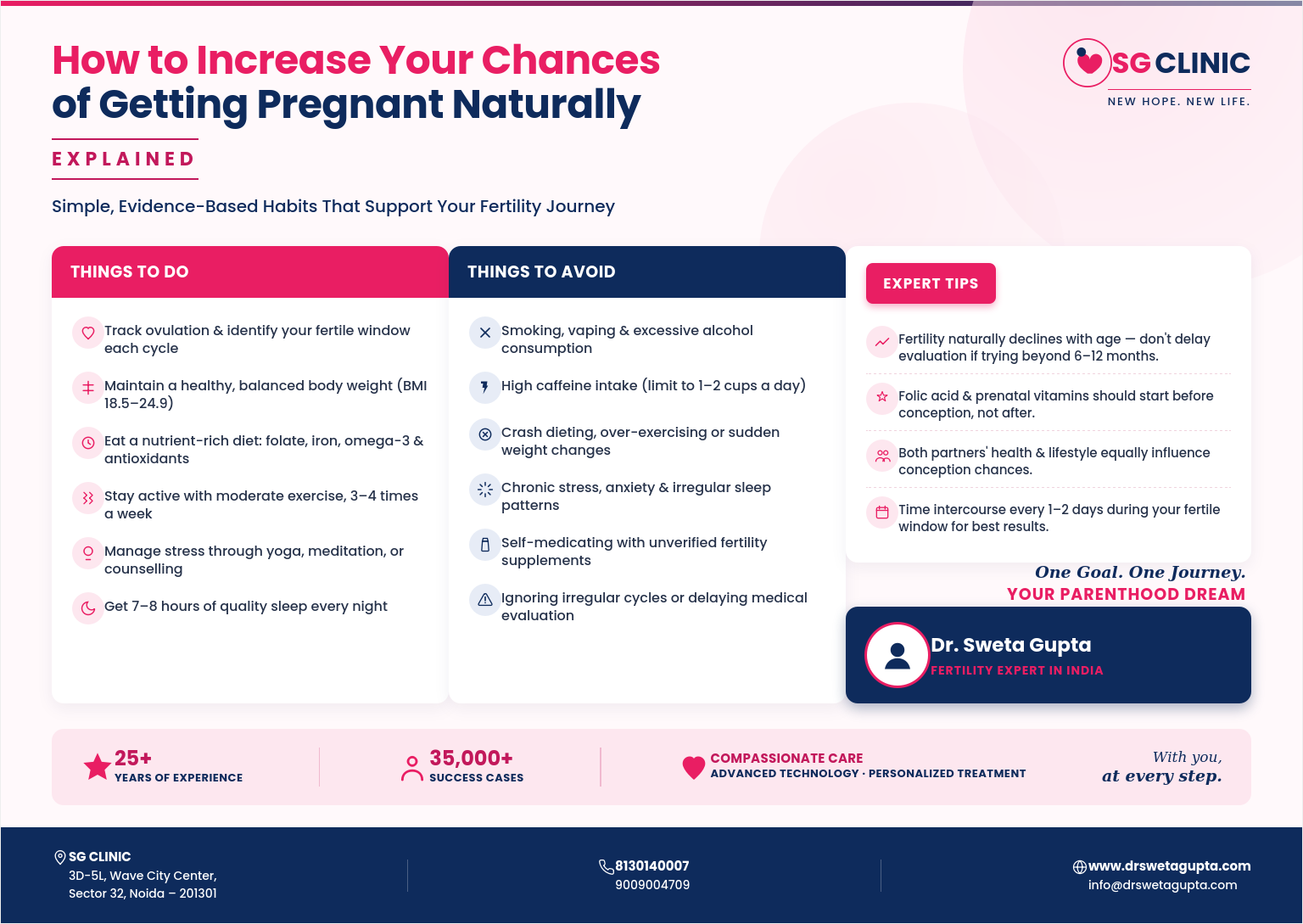
For many couples, the journey toward parenthood begins with excitement, hope, and dreams of welcoming a healthy baby into their lives. While pregnancy happens naturally for many, others may find that conceiving takes longer than expected. This can lead to stress, confusion, and countless questions about fertility. The good news is that many factors influencing fertility are within your control, and small lifestyle changes can significantly improve your chances of natural conception.
Getting pregnant naturally is not just about timing intercourse during ovulation. It is a combination of maintaining good reproductive health, adopting healthy lifestyle habits, managing stress, eating a balanced diet, understanding your menstrual cycle, and seeking timely medical advice when needed. Fertility is influenced by both partners, making it essential for couples to work together toward optimizing their reproductive health.
If you are planning to start a family or have been trying to conceive without success, understanding your body and making informed decisions can improve your chances of pregnancy.
With more than 25 years of experience in Obstetrics, Gynaecology, IVF, and Reproductive Medicine, Dr. Sweta Gupta, one of the leading fertility specialists in Noida, has helped thousands of couples successfully achieve their dream of parenthood. Through personalized fertility evaluation, evidence-based treatment, and compassionate care, she guides couples at every stage of their fertility journey.
This comprehensive guide shares expert fertility tips, practical lifestyle advice, nutritional recommendations, and medical insights to help improve your chances of getting pregnant naturally.
Why Understanding Fertility Is the First Step Toward Parenthood
Fertility is often misunderstood as simply the ability to conceive. In reality, it is a complex interaction of hormonal balance, healthy reproductive organs, egg quality, sperm quality, lifestyle habits, age, and overall physical and emotional well-being.
A healthy pregnancy begins long before conception. The months leading up to pregnancy provide an opportunity to prepare your body for successful fertilization, implantation, and fetal development. This period, known as preconception care, plays a crucial role in improving fertility and reducing pregnancy-related complications.
Many couples wait until they experience difficulty conceiving before focusing on their reproductive health. However, preparing for pregnancy early allows potential medical conditions such as PCOS, thyroid disorders, endometriosis, diabetes, or nutritional deficiencies to be identified and managed before they interfere with fertility.
Dr. Sweta Gupta emphasizes that fertility awareness is one of the most valuable tools for couples planning pregnancy. Understanding your menstrual cycle, recognizing ovulation, maintaining a healthy weight, and seeking timely medical evaluation can significantly increase the likelihood of natural conception.
How Pregnancy Happens Naturally
Understanding how pregnancy occurs helps couples make informed decisions while trying to conceive.
Every month, a woman’s body prepares for pregnancy through a series of hormonal changes. During the menstrual cycle, one of the ovaries usually releases a mature egg through a process called ovulation. This egg travels into the fallopian tube, where it remains available for fertilization for approximately 12–24 hours.
If healthy sperm are present in the reproductive tract during this fertile period, one sperm may fertilize the egg. The fertilized egg then develops into an embryo while traveling toward the uterus. Once the embryo reaches the uterus, it implants into the uterine lining, marking the beginning of pregnancy.
For this natural process to occur successfully, several factors must work together:
- Regular ovulation
- Healthy fallopian tubes
- Good egg quality
- Healthy sperm count and motility
- Balanced hormones
- A receptive uterine lining
A problem affecting any one of these factors may reduce the chances of conception, making early fertility evaluation important for couples who are struggling to conceive.
Understanding Your Fertile Window
One of the most common reasons couples experience delays in conception is incorrect timing of intercourse.
The fertile window refers to the six-day period during each menstrual cycle during which pregnancy is most likely to occur. This includes the five days before ovulation and the day of ovulation itself.
Sperm can survive inside the female reproductive tract for up to five days, whereas the egg remains viable for only about 24 hours after ovulation. Therefore, having intercourse during the days leading up to ovulation provides the highest chance of fertilization.
Women with regular 28-day menstrual cycles typically ovulate around the 14th day, although this can vary depending on cycle length and individual hormonal patterns. Couples should avoid assuming that every woman ovulates on the same day, as natural variation is common.
Learning to identify the fertile window through cycle tracking, ovulation predictor kits, or fertility monitoring can greatly improve the chances of natural pregnancy.
Common Signs of Ovulation
Recognizing ovulation is an important part of fertility awareness. While every woman experiences ovulation differently, there are several common signs that indicate the fertile period.
Changes in Cervical Mucus
Around ovulation, cervical mucus becomes clear, slippery, and stretchy, resembling raw egg white. This consistency helps sperm travel more easily toward the egg.
Mild Pelvic Pain
Some women experience slight discomfort or cramping on one side of the lower abdomen during ovulation. This is known as mittelschmerz and usually lasts for a short period.
Increased Libido
Hormonal changes during ovulation often lead to an increased interest in sexual activity, which naturally supports conception.
Breast Tenderness
Hormonal fluctuations after ovulation may cause mild breast sensitivity or tenderness.
Positive Ovulation Test
Ovulation predictor kits detect the surge in luteinizing hormone (LH) that occurs shortly before ovulation. A positive result indicates that ovulation is likely to occur within the next 24–36 hours.
Tracking these natural signs over several months can help women better understand their cycles and identify their most fertile days.
Factors That Affect Natural Fertility
Many biological and lifestyle factors influence fertility. Some can be modified through healthy habits, while others require medical evaluation and treatment.
Age
Age is one of the most significant factors affecting fertility, particularly for women. Female fertility gradually declines after the age of 30 and more rapidly after 35 due to a decrease in both egg quantity and quality. Although many women conceive naturally in their late thirties, the chances of pregnancy become lower with increasing age.
Men also experience age-related fertility decline, although it is generally more gradual.
Hormonal Balance
Hormones regulate ovulation, menstruation, and implantation. Conditions such as thyroid disorders, PCOS, and elevated prolactin levels can interfere with these processes, reducing fertility.
Proper hormonal evaluation helps identify underlying problems and allows timely treatment.
Weight
Both underweight and overweight individuals may experience hormonal imbalances that affect fertility.
Excess body fat increases estrogen production and insulin resistance, while being underweight may suppress ovulation altogether.
Maintaining a healthy Body Mass Index (BMI) supports normal reproductive function and improves pregnancy outcomes.
Nutrition
A balanced diet rich in vitamins, minerals, antioxidants, protein, and healthy fats supports egg quality, sperm production, hormonal balance, and fetal development.
Nutritional deficiencies may reduce fertility even in otherwise healthy individuals.
Stress
Chronic stress may affect reproductive hormones, menstrual regularity, sleep quality, and overall well-being.
Although stress alone rarely causes infertility, managing emotional health contributes positively to fertility treatment and natural conception.
Medical Conditions
Several health conditions can interfere with fertility, including:
- PCOS
- Endometriosis
- Thyroid disorders
- Diabetes
- Uterine fibroids
- Tubal blockage
- Low ovarian reserve
- Male infertility
Early diagnosis often improves treatment success.
Expert Fertility Tip #1: Understand Your Menstrual Cycle
One of the most valuable steps in improving fertility is becoming familiar with your menstrual cycle.
Many women know when their periods begin but are unaware of when ovulation occurs. Tracking your cycle allows you to identify your fertile window more accurately and recognize abnormalities such as irregular periods or absent ovulation.
Dr. Sweta Gupta recommends maintaining a menstrual calendar or using a reliable fertility tracking application. Monitoring cycle length, ovulation symptoms, and period patterns over several months provides valuable information for both natural conception and fertility evaluation if pregnancy does not occur.
Understanding your cycle empowers you to make informed decisions and improves the timing of intercourse for optimal pregnancy chances.
Expert Fertility Tip #2: Time Intercourse Correctly
Many couples mistakenly believe that having intercourse every day guarantees pregnancy. In reality, timing is more important than frequency.
Having intercourse every one to two days during the fertile window provides the highest likelihood of conception while maintaining healthy sperm quality.
Waiting until after ovulation has occurred may reduce pregnancy chances because the egg survives for only a short period. Planning intercourse during the days leading up to ovulation ensures that healthy sperm are already present when the egg is released.
Couples should avoid turning conception into a stressful schedule. Maintaining intimacy, reducing performance pressure, and enjoying a healthy relationship contribute positively to emotional well-being during the fertility journey.
Expert Fertility Tip #3: Maintain a Healthy Body Weight
Body weight has a direct influence on reproductive hormones and fertility.
Women who are overweight may experience irregular ovulation due to increased insulin resistance and hormonal imbalance. Conversely, women who are significantly underweight may stop ovulating altogether because the body lacks sufficient energy reserves.
Achieving a healthy weight through balanced nutrition and regular physical activity can restore normal menstrual cycles and improve natural conception rates.
For men, obesity may reduce testosterone levels, impair sperm production, and negatively affect sperm quality. Maintaining a healthy weight benefits both partners and supports reproductive health.
Expert Fertility Tip #4: Eat a Fertility-Friendly Diet
Nutrition is one of the most powerful tools for improving reproductive health.
A fertility-supporting diet should focus on whole, nutrient-dense foods that nourish the body, reduce inflammation, and promote hormonal balance.
Include plenty of fresh vegetables, seasonal fruits, whole grains, legumes, lean proteins, dairy products (if tolerated), nuts, seeds, and healthy fats such as olive oil and avocados. These foods provide essential vitamins, minerals, antioxidants, omega-3 fatty acids, iron, folate, and zinc, all of which contribute to healthy egg development and sperm production.
Instead of following restrictive fad diets, couples should aim for sustainable eating habits that support long-term health and fertility.
Expert Fertility Tip #5: Improve Egg Quality Naturally
Although women are born with a fixed number of eggs, their quality can be influenced by overall health and lifestyle choices.
Egg quality is particularly important because healthy eggs have a greater chance of successful fertilization, embryo development, and implantation.
Lifestyle factors that may help support egg health include:
- Eating antioxidant-rich foods
- Maintaining a healthy weight
- Managing stress
- Getting adequate sleep
- Exercising regularly
- Avoiding smoking
- Limiting alcohol intake
- Following medical advice regarding nutritional supplements
Women over the age of 35 or those with a family history of early menopause should consider a fertility evaluation if they plan to delay pregnancy.
Expert Fertility Tip #6: Exercise Regularly to Improve Reproductive Health
Physical activity is one of the most effective natural ways to improve fertility. Regular exercise helps regulate hormones, improves blood circulation to the reproductive organs, reduces stress, and supports a healthy body weight. Women with conditions such as Polycystic Ovary Syndrome (PCOS) often experience improved ovulation and menstrual regularity after adopting an active lifestyle.
However, balance is important. Excessive high-intensity workouts or overtraining may negatively affect ovulation in some women. Similarly, a completely sedentary lifestyle may contribute to obesity, insulin resistance, and hormonal imbalance.
Dr. Sweta Gupta recommends moderate physical activity for approximately 30 to 45 minutes on most days of the week. Activities such as brisk walking, cycling, swimming, yoga, Pilates, and light strength training are excellent choices for couples trying to conceive.
Exercise not only prepares the body for pregnancy but also improves cardiovascular health, reduces inflammation, and enhances overall well-being.
Expert Fertility Tip #7: Prioritize Quality Sleep
Sleep is often overlooked during pregnancy planning, yet it plays a crucial role in maintaining hormonal balance. During sleep, the body regulates several hormones involved in reproduction, metabolism, and stress management.
Women who consistently sleep less than six hours or have irregular sleep schedules may experience disturbances in reproductive hormones that affect ovulation. Poor sleep quality can also contribute to insulin resistance, weight gain, and chronic fatigue.
Couples planning pregnancy should aim for 7–9 hours of uninterrupted sleep each night. Maintaining a consistent bedtime, limiting screen time before bed, avoiding caffeine late in the day, and creating a relaxing nighttime routine can significantly improve sleep quality.
A well-rested body is better prepared for conception and a healthy pregnancy.
Expert Fertility Tip #8: Manage Stress for Better Fertility
Trying to conceive can be emotionally challenging, especially when pregnancy does not happen as quickly as expected. Stress does not directly cause infertility in most cases, but prolonged emotional stress may interfere with hormonal balance, reduce sexual desire, disrupt sleep, and affect overall health.
Learning healthy ways to manage stress can positively influence fertility. Meditation, yoga, mindfulness practices, deep breathing exercises, reading, spending time with loved ones, and engaging in enjoyable hobbies can help reduce anxiety.
Dr. Sweta Gupta believes that emotional well-being is an integral part of fertility care. Couples should communicate openly, support one another, and seek professional counseling if the emotional burden becomes overwhelming.
Expert Fertility Tip #9: Stay Hydrated
Water is essential for every cell in the body, including those involved in reproduction. Proper hydration supports healthy cervical mucus production, improves blood circulation, aids digestion, and helps transport nutrients to reproductive organs.
Cervical mucus plays an important role in helping sperm travel through the reproductive tract. Dehydration may reduce the quality and quantity of cervical mucus, making conception more difficult.
Most adults should aim to drink approximately 2–3 liters of water daily, although individual needs vary depending on climate, activity level, and medical conditions.
Replacing sugary beverages with water is a simple yet effective step toward better reproductive health.
Expert Fertility Tip #10: Avoid Smoking, Alcohol, and Recreational Drugs
Lifestyle habits have a significant impact on fertility for both men and women.
Smoking damages egg quality, accelerates ovarian aging, reduces sperm quality, and increases the risk of miscarriage and pregnancy complications. Alcohol consumption may interfere with hormonal balance and negatively affect sperm production.
Recreational drugs can severely impair fertility and may also harm fetal development if pregnancy occurs.
Couples planning pregnancy should stop smoking, limit or avoid alcohol, and refrain from using recreational substances. Adopting healthier lifestyle habits not only improves fertility but also supports a healthier pregnancy and baby.
Expert Fertility Tip #11: Limit Caffeine Intake
Moderate caffeine consumption is generally considered safe for women trying to conceive. However, excessive caffeine intake may be associated with reduced fertility and a higher risk of miscarriage in some studies.
Dr. Sweta Gupta advises limiting caffeine intake to less than 200 mg per day, which is roughly equivalent to one or two small cups of coffee.
Instead of relying on caffeinated beverages throughout the day, consider healthier alternatives such as herbal teas (approved by your healthcare provider), fresh fruit juices without added sugar, coconut water, or simply increasing water intake.
Expert Fertility Tip #12: Take Prenatal Vitamins and Essential Nutrients
Preparing for pregnancy includes ensuring that the body has adequate nutritional reserves. Certain vitamins and minerals play a critical role in reproductive health and fetal development.
Folic acid is particularly important because it helps prevent neural tube defects in the developing baby. Ideally, women should begin taking folic acid at least one month before conception.
Depending on individual needs, your fertility specialist may also recommend supplements containing iron, vitamin D, calcium, iodine, vitamin B12, or omega-3 fatty acids.
It is important not to self-medicate with supplements. Nutritional requirements vary, and supplementation should always be guided by a qualified healthcare professional.
Expert Fertility Tip #13: Improve Male Fertility
Approximately 40–50% of infertility cases involve male factors, yet fertility discussions often focus only on women. Successful conception depends equally on healthy sperm.
Male fertility is influenced by sperm count, motility (movement), morphology (shape), DNA integrity, hormonal balance, and overall health.
Men can improve reproductive health by maintaining a healthy weight, exercising regularly, avoiding smoking and excessive alcohol, managing stress, eating a balanced diet, and getting adequate sleep.
If pregnancy has not occurred after a reasonable period, semen analysis is one of the first and most important investigations for evaluating male fertility.
Couples should remember that fertility is a shared responsibility, and both partners benefit from a comprehensive fertility assessment.
Expert Fertility Tip #14: Manage Medical Conditions Early
Certain medical conditions can significantly reduce fertility if left untreated.
These include:
- Polycystic Ovary Syndrome (PCOS)
- Endometriosis
- Thyroid disorders
- Diabetes
- Uterine fibroids
- Pelvic inflammatory disease
- Blocked fallopian tubes
- Low ovarian reserve
Timely diagnosis and appropriate treatment can often restore fertility or improve the chances of successful conception.
Women experiencing irregular periods, severe menstrual pain, recurrent miscarriages, or difficulty conceiving should seek evaluation from an experienced fertility specialist rather than delaying treatment.
Expert Fertility Tip #15: Schedule a Preconception Health Check-Up
One of the smartest decisions couples can make before trying to conceive is scheduling a preconception consultation.
A comprehensive fertility evaluation allows potential problems to be identified before they interfere with pregnancy.
During the consultation, Dr. Sweta Gupta may review:
- Medical history
- Menstrual history
- Previous pregnancies
- Lifestyle habits
- Medications
- Vaccination status
- Hormonal profile
- Ultrasound findings
- Ovarian reserve
- Male fertility evaluation, if indicated
This proactive approach helps couples enter pregnancy in the best possible physical and reproductive health.
Foods That Naturally Support Fertility
Nutrition influences every aspect of reproductive health. A fertility-friendly diet provides the nutrients required for healthy egg development, sperm production, hormone regulation, and embryo implantation.
A balanced fertility diet should include colorful vegetables, seasonal fruits, whole grains, legumes, lean proteins, dairy products (where appropriate), nuts, seeds, and healthy fats. Foods rich in antioxidants help protect eggs and sperm from oxidative stress, while omega-3 fatty acids support hormonal balance and reduce inflammation.
Iron-rich foods, leafy greens, citrus fruits, berries, eggs, fish, beans, lentils, and whole grains are all excellent choices for couples preparing for pregnancy.
Rather than following restrictive diets or internet trends, couples should focus on consistent, nutrient-rich eating patterns that support long-term reproductive health.
Foods to Limit While Trying to Conceive
Certain dietary habits may negatively influence fertility when consumed excessively.
Highly processed foods, sugary beverages, excessive refined carbohydrates, trans fats, and frequent fast-food consumption can contribute to weight gain, insulin resistance, and chronic inflammation.
Excessive alcohol, high caffeine intake, and smoking should also be avoided.
Making healthier food choices consistently is more beneficial than following temporary or restrictive diet plans.
Common Mistakes Couples Make While Trying to Conceive
Many couples unknowingly reduce their chances of pregnancy through common misconceptions.
Some of the most frequent mistakes include waiting too long to seek medical advice, incorrectly identifying ovulation, assuming fertility problems affect only women, following unverified internet remedies, smoking, neglecting healthy nutrition, or allowing stress to dominate the conception journey.
Another common mistake is delaying fertility evaluation because of fear or uncertainty. Early consultation often leads to earlier diagnosis and more effective treatment.
When Should You Consult a Fertility Specialist?
Although many healthy couples conceive within one year, medical evaluation should not always be delayed.
You should consider consulting a fertility specialist if:
- You are under 35 and have been trying for 12 months without success.
- You are 35 years or older and have been trying for 6 months.
- You have irregular or absent menstrual periods.
- You have PCOS, endometriosis, thyroid disease, or recurrent miscarriages.
- Your partner has known male fertility concerns.
- You have previously undergone pelvic surgery or treatment affecting reproductive health.
Early fertility evaluation allows timely diagnosis and increases treatment success.
Why Choose Dr. Sweta Gupta for Your Fertility Journey?
Choosing the right fertility specialist is one of the most important decisions for couples planning pregnancy.
With over 25 years of experience in Obstetrics, Gynaecology, IVF, and Reproductive Medicine, Dr. Sweta Gupta has earned the trust of patients through her expertise, ethical approach, and compassionate care.
Her internationally recognized qualifications include:
- MD (Obstetrics & Gynaecology, Delhi)
- MRCOG (London)
- DFSRH (United Kingdom)
- FRCOG (London)
- MSc (Reproduction & Development, Bristol, UK)
- Fellowship in Reproductive Medicine & ART (London)
Every patient receives an individualized fertility assessment and treatment plan based on medical history, age, lifestyle, hormonal profile, and reproductive goals. Rather than recommending advanced treatments immediately, Dr. Gupta focuses on identifying the underlying cause and choosing the most appropriate, evidence-based approach.
Why Couples Trust SG Clinic, Noida
At SG Clinic, fertility care goes beyond treatment—it focuses on education, emotional support, and personalized guidance.
The clinic provides comprehensive services including fertility evaluation, pregnancy planning, ovulation assessment, PCOS management, IUI, IVF consultation, recurrent miscarriage evaluation, and advanced reproductive medicine.
Patients benefit from modern diagnostic facilities, transparent communication, and compassionate care in a supportive environment.
Conclusion
Conceiving naturally is influenced by many factors, including age, reproductive health, nutrition, lifestyle, emotional well-being, and timely medical care. While there is no guaranteed formula for pregnancy, adopting healthy habits and understanding your fertility can significantly improve your chances of success.
If you have been trying to conceive without success or have concerns about your reproductive health, early consultation with an experienced fertility specialist can make a meaningful difference. Many fertility challenges can be successfully managed with timely evaluation, personalized treatment, and evidence-based care.
Under the expert guidance of Dr. Sweta Gupta, couples receive compassionate support and comprehensive fertility solutions designed to help them move confidently toward their dream of parenthood.
Frequently Asked Questions (FAQs)
1. How long does it usually take to get pregnant naturally?
Most healthy couples conceive within 12 months of regular, unprotected intercourse. Couples over 35 should seek medical advice after six months if pregnancy has not occurred.
2. Does age affect fertility?
Yes. Female fertility gradually declines after the age of 30 and more rapidly after 35. Male fertility also declines with age, although more gradually.
3. Can stress prevent pregnancy?
Stress alone is rarely the sole cause of infertility, but chronic stress can affect hormonal balance, sleep, and overall reproductive health.
4. Can lifestyle changes improve fertility?
Yes. Healthy eating, maintaining a normal weight, exercising regularly, avoiding smoking and excessive alcohol, and getting adequate sleep can all improve fertility.
5. When should I consult Dr. Sweta Gupta?
If you have irregular periods, PCOS, recurrent miscarriages, or have been unable to conceive after the recommended timeframe, consulting a fertility specialist is advisable.
Book Your Consultation
Dr. Sweta Gupta
Senior IVF & Fertility Specialist
SG Clinic
3D-5L, Wave City Center, Sector 32, Noida – 201301
📞 Appointments:
8130140007 | 9009004709
Take the first step toward parenthood with expert fertility guidance and personalized reproductive care.