

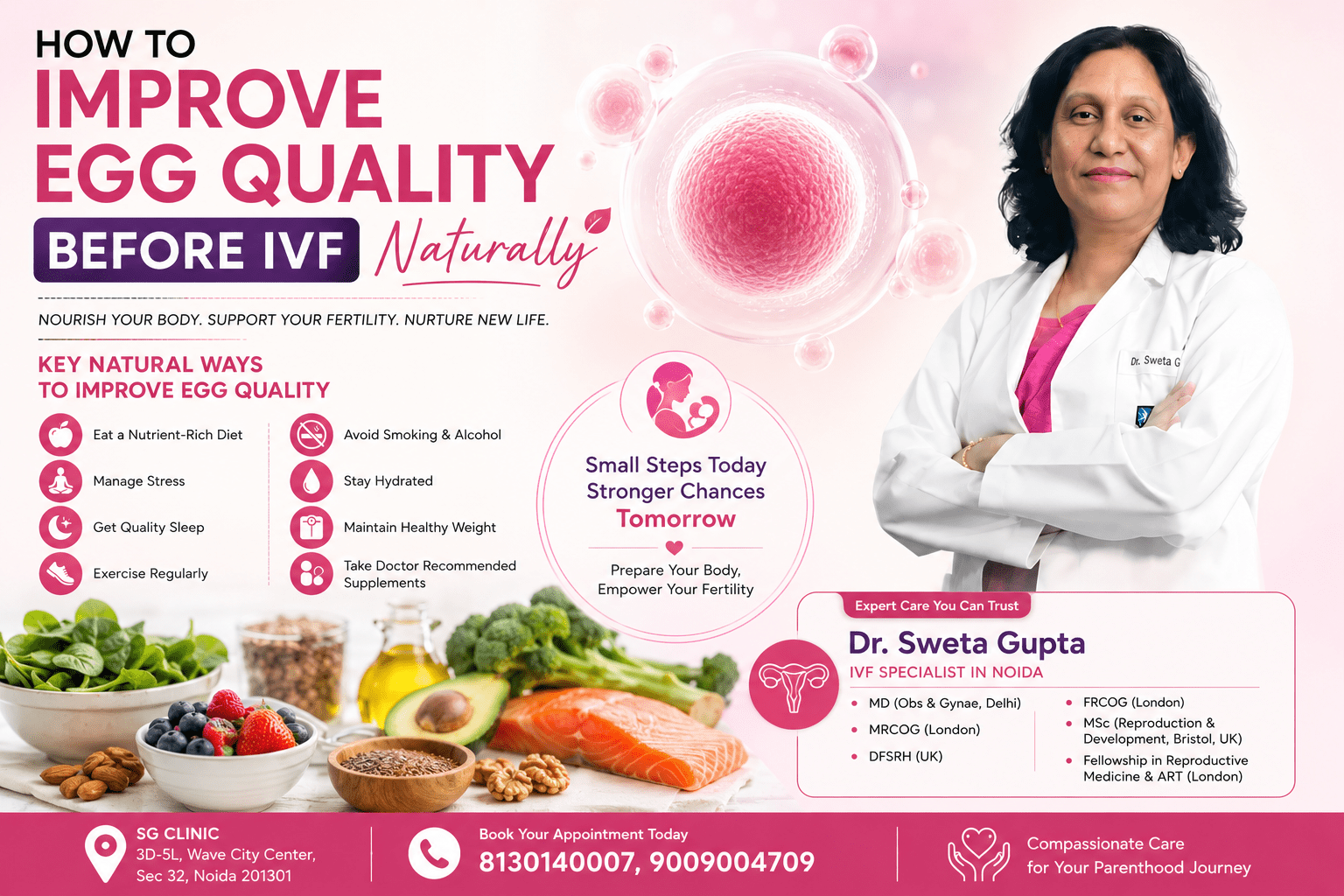
Egg quality plays a crucial role in IVF success. While age-related changes cannot be reversed, adopting a healthy lifestyle, eating an antioxidant-rich diet, maintaining a healthy weight, getting adequate sleep, managing stress, avoiding smoking and excessive alcohol, and following medical guidance can support overall reproductive health during the approximately 90-day egg maturation process. Dr. Sweta Gupta, an experienced IVF Specialist in Noida, provides personalized fertility care to help couples prepare for a successful IVF journey.
Planning for IVF is one of the most important milestones in a couple’s fertility journey. While factors such as sperm health, uterine receptivity, embryo quality, and hormonal balance all influence IVF success, egg quality remains one of the most critical determinants of achieving a healthy pregnancy.
Many women wonder:
- Can egg quality be improved naturally?
- Which foods improve egg quality?
- Which vitamins should I take before IVF?
- Does lifestyle really affect IVF success?
- How many months before IVF should I prepare?
The encouraging news is that although age cannot be reversed, several scientific studies suggest that healthy lifestyle modifications, proper nutrition, stress reduction, and appropriate medical guidance can help optimize egg health before IVF.
As an experienced IVF Specialist in Noida, Dr. Sweta Gupta believes that successful fertility treatment starts long before the embryo transfer. Preparing your body naturally before IVF creates a healthier environment for egg development and may improve overall reproductive health.
This comprehensive guide explains everything you need to know about improving egg quality naturally before IVF, supported by medical evidence and practical recommendations.
Understanding Egg Quality
Many people believe fertility depends only on the number of eggs a woman has. In reality, egg quality is often more important than egg quantity, especially during IVF treatment.
Egg quality refers to the health of an egg and its ability to:
- Mature properly
- Be fertilized successfully
- Develop into a healthy embryo
- Implant in the uterus
- Result in a healthy pregnancy
A healthy egg contains the correct number of chromosomes, adequate energy reserves, and strong cellular structures that support embryo development.
Poor-quality eggs may:
- Fail to fertilize
- Produce abnormal embryos
- Stop growing after fertilization
- Increase miscarriage risk
- Reduce IVF success rates
This is why fertility specialists focus not only on retrieving more eggs but also on improving their quality.
What Is Egg Quality?
Egg quality describes the biological health of an egg.
Every egg contains:
- DNA
- Chromosomes
- Mitochondria (the cell’s energy factories)
- Nutrients needed for embryo development
When these components are healthy, the egg has a greater chance of producing a healthy embryo.
Healthy eggs generally have:
✔ Normal chromosome numbers
✔ Healthy mitochondria
✔ Strong cellular membranes
✔ Proper maturation
✔ Good fertilization potential
Poor-quality eggs often have:
- Chromosomal abnormalities
- Reduced energy production
- DNA damage
- Poor cell division
- Lower implantation potential
Because chromosome abnormalities increase naturally with age, egg quality becomes an important consideration for women planning pregnancy after 30 years of age.
Egg Quality vs Egg Quantity
Many women confuse these two terms.
| Egg Quantity | Egg Quality |
|---|---|
| Number of eggs remaining in ovaries | Health of each egg |
| Measured by AMH and Antral Follicle Count | Cannot be measured directly |
| Declines with age | Declines more rapidly after 35 |
| Influences ovarian response | Influences pregnancy success |
| More eggs do not always mean better pregnancy chances | Even fewer high-quality eggs can lead to successful pregnancy |
For example:
A woman with an AMH of 4.5 may produce many eggs during IVF, but if the eggs are of poor quality, embryo development may still be affected.
Another woman with an AMH of 1.5 may produce fewer eggs, yet those eggs may be healthy enough to achieve pregnancy.
This highlights why experienced fertility specialists evaluate both quantity and quality rather than focusing on numbers alone.
Why Egg Quality Matters in IVF Success
During IVF, eggs undergo several stages:
- Ovarian stimulation
- Egg retrieval
- Fertilization
- Embryo development
- Blastocyst formation
- Embryo transfer
- Implantation
Egg quality influences every one of these stages.
Better-quality eggs generally contribute to:
- Higher fertilization rates
- Better embryo quality
- Increased blastocyst formation
- Improved implantation potential
- Reduced miscarriage risk
- Higher live birth rates
Poor egg quality, on the other hand, can lead to:
- Failed fertilization
- Slow embryo growth
- Chromosomal abnormalities
- Repeated IVF failure
- Early pregnancy loss
While IVF technology has advanced significantly, no laboratory technique can fully compensate for poor egg quality. This is why preparing your body before IVF is so important.
How Eggs Develop: The 90-Day Cycle
One of the most important facts many women don’t know is that an egg takes approximately 90 days to mature before ovulation or retrieval during IVF.
This means the eggs collected during your IVF cycle actually began developing nearly three months earlier.
Because of this timeline:
- Your diet today affects the eggs retrieved three months later.
- Lifestyle changes need time to show benefits.
- Consistent healthy habits are more effective than short-term changes.
For this reason, many fertility specialists recommend beginning preconception care at least three months before starting IVF.
How Age Affects Egg Quality
Age is the single biggest factor influencing egg quality.
Women are born with all the eggs they will ever have. Unlike sperm, new eggs are not produced throughout life.
Over time:
- The number of eggs decreases.
- The quality of remaining eggs also declines.
Egg Quality by Age
Under 30 Years
Most eggs are chromosomally normal.
Pregnancy rates are generally higher.
Miscarriage risk is lower.
Age 30–34
Egg quality remains relatively good.
A gradual decline may begin, but many women conceive naturally or with IVF.
Age 35–37
Chromosomal abnormalities begin increasing.
IVF success rates slowly decrease.
Many women still achieve healthy pregnancies with proper treatment.
Age 38–40
Egg quality declines more rapidly.
Embryo abnormalities become more common.
Fertility specialists often recommend early evaluation.
Above 40
A larger proportion of eggs may have chromosomal abnormalities.
Pregnancy may still be possible, but individualized fertility care becomes increasingly important.
It is important to remember that age is only one factor. Lifestyle, genetics, medical conditions, and overall health also influence reproductive outcomes.
Common Causes of Poor Egg Quality
Several factors beyond age can affect egg health.
1. Oxidative Stress
Oxidative stress occurs when harmful free radicals damage healthy cells.
Egg cells are particularly sensitive to oxidative damage, which can affect DNA, mitochondria, and overall egg function.
Common contributors include:
- Smoking
- Air pollution
- Chronic stress
- Poor diet
- Lack of sleep
- Obesity
2. Nutritional Deficiencies
Egg development requires adequate intake of:
- Folate
- Vitamin D
- Vitamin B12
- Iron
- Zinc
- Selenium
- Omega-3 fatty acids
- Protein
Deficiencies may affect normal reproductive function.
3. Smoking
Smoking accelerates ovarian aging and is associated with reduced fertility.
Research suggests smoking may:
- Increase oxidative stress
- Reduce ovarian reserve
- Affect egg maturation
- Lower IVF success rates
Quitting smoking before fertility treatment is strongly recommended.
4. Excess Alcohol Consumption
Heavy alcohol intake may negatively influence hormone balance and reproductive health.
Moderation or avoidance is generally advised when planning pregnancy or IVF.
5. Obesity
Excess body weight can contribute to:
- Hormonal imbalance
- Insulin resistance
- Chronic inflammation
- Ovulatory dysfunction
Maintaining a healthy weight may support fertility treatment outcomes.
6. Chronic Stress
While stress alone does not directly cause infertility, prolonged stress can influence:
- Sleep quality
- Lifestyle habits
- Hormonal regulation
- Emotional well-being during fertility treatment
Managing stress is an important part of overall fertility care.
7. Medical Conditions
Certain health conditions may affect egg quality, including:
- PCOS
- Endometriosis
- Thyroid disorders
- Diabetes
- Autoimmune diseases
- Premature ovarian insufficiency
Early diagnosis and treatment can help optimize reproductive health.
Can Egg Quality Be Improved Naturally?
This is one of the most frequently asked questions by women preparing for IVF.
The answer is nuanced.
You cannot create new eggs or reverse the natural aging process. However, research suggests that you may support the health of developing eggs through evidence-based lifestyle measures during the approximately 90-day maturation period.
These measures include:
- Eating a balanced, nutrient-rich diet
- Maintaining a healthy body weight
- Getting regular physical activity
- Prioritizing good sleep
- Managing stress effectively
- Avoiding smoking and excessive alcohol
- Correcting nutritional deficiencies under medical supervision
- Following a personalized fertility plan with your IVF specialist
Rather than promising dramatic changes, the goal is to optimize the environment in which eggs mature and improve your overall reproductive health before IVF.
What Does Scientific Research Say?
Current research indicates that lifestyle factors can influence reproductive health, particularly through effects on oxidative stress, metabolism, inflammation, and hormonal balance.
Studies have explored the potential role of:
- Mediterranean-style dietary patterns
- Adequate intake of folate and vitamin D
- Omega-3 fatty acids
- Regular moderate exercise
- Healthy sleep habits
- Smoking cessation
- Weight management
While no lifestyle intervention can guarantee pregnancy or completely overcome age-related changes, optimizing these factors may improve the conditions under which eggs develop and may contribute to better IVF outcomes in some women.
Working with an experienced IVF Doctor in Noida allows these strategies to be tailored to your age, ovarian reserve, medical history, and fertility goals.
Signs That May Suggest Reduced Egg Quality
Poor egg quality often has no obvious symptoms. Many women continue to have regular menstrual cycles despite age-related or biological changes in egg health.
However, certain situations may prompt further evaluation:
- Difficulty conceiving after trying for an appropriate period based on age
- Recurrent pregnancy loss
- Repeated unsuccessful IVF cycles
- Reduced ovarian reserve on fertility assessment
- Advancing maternal age (especially after 35)
- Certain medical conditions such as endometriosis or premature ovarian insufficiency
Your fertility specialist may recommend tests such as AMH, antral follicle count (AFC), hormone evaluation, and other investigations to assess your overall fertility profile. While these tests do not directly measure egg quality, they provide valuable information to guide treatment planning.
20+ Proven Ways to Improve Egg Quality Naturally Before IVF
If you’re planning IVF, the three months before your treatment are one of the most important periods for preparing your body. Since eggs take approximately 90 days to mature, adopting healthy lifestyle habits during this time may help create a more supportive environment for egg development.
While no diet, supplement, or lifestyle change can guarantee pregnancy or reverse age-related decline in egg quality, evidence suggests that optimizing your overall health may contribute to better reproductive outcomes. Below are practical, research-informed strategies recommended by fertility specialists.
1. Follow a Mediterranean-Style Fertility Diet
One of the most studied dietary patterns for reproductive health is the Mediterranean diet. It emphasizes whole, minimally processed foods rich in antioxidants, healthy fats, fiber, and lean proteins.
Include:
- Green leafy vegetables
- Tomatoes
- Broccoli
- Spinach
- Carrots
- Berries
- Citrus fruits
- Whole grains
- Lentils and beans
- Nuts
- Seeds
- Olive oil
- Fish (if appropriate)
- Eggs
- Low-fat dairy
Limit:
- Processed foods
- Sugary beverages
- Excess refined carbohydrates
- Trans fats
- Ultra-processed snacks
A balanced diet helps reduce inflammation and supports hormonal and metabolic health.
2. Increase Antioxidant-Rich Foods
Egg cells are particularly sensitive to oxidative stress. Antioxidants help protect cells from damage caused by free radicals.
Foods naturally rich in antioxidants:
- Blueberries
- Strawberries
- Blackberries
- Pomegranate
- Oranges
- Kiwi
- Spinach
- Kale
- Beetroot
- Red cabbage
- Bell peppers
- Tomatoes
Try to include a variety of colorful fruits and vegetables every day.
3. Eat High-Quality Protein
Protein plays a role in hormone production, tissue repair, and overall reproductive health.
Good sources:
- Eggs
- Fish
- Chicken
- Paneer
- Greek yogurt
- Tofu
- Lentils
- Chickpeas
- Kidney beans
- Soy products (in moderation, if suitable)
Aim for balanced protein intake as part of every meal.
4. Choose Healthy Fats
Healthy fats are important for hormone production and overall cellular function.
Include:
- Avocados
- Walnuts
- Almonds
- Chia seeds
- Flaxseeds
- Olive oil
- Pumpkin seeds
- Sunflower seeds
Reduce intake of deep-fried foods and foods high in trans fats.
5. Stay Well Hydrated
Adequate hydration supports circulation, nutrient transport, and overall health.
Aim for:
- 2–3 liters of water daily (adjusted for your individual needs and climate)
You can also include:
- Coconut water (if appropriate)
- Lemon water
- Herbal teas approved by your doctor
6. Maintain a Healthy Body Weight
Both underweight and overweight women may experience hormonal imbalances that affect fertility.
Maintaining a healthy Body Mass Index (BMI) may help support:
- Regular ovulation
- Hormonal balance
- Better response to ovarian stimulation
- Overall reproductive health
Work with your healthcare provider if you need guidance on healthy weight management.
7. Exercise Regularly—But Avoid Overtraining
Moderate exercise supports cardiovascular health, insulin sensitivity, and stress reduction.
Recommended activities:
- Brisk walking
- Swimming
- Cycling
- Yoga
- Pilates
- Light strength training
Aim for around 150 minutes of moderate physical activity per week, unless advised otherwise by your doctor.
Avoid excessive high-intensity exercise if it affects menstrual cycles or overall health.
8. Prioritize Quality Sleep
Sleep influences hormone regulation and overall well-being.
Try to:
- Sleep 7–9 hours per night
- Maintain a consistent sleep schedule
- Limit screen exposure before bedtime
- Create a calm sleeping environment
Good sleep supports physical and emotional health during fertility treatment.
9. Manage Stress Effectively
The IVF journey can be emotionally challenging. While stress alone does not cause infertility, chronic stress may affect lifestyle habits, sleep, and emotional resilience.
Helpful techniques include:
- Meditation
- Deep breathing exercises
- Yoga
- Journaling
- Reading
- Nature walks
- Counseling or fertility support groups
Emotional well-being is an important part of fertility care.
10. Avoid Smoking Completely
Smoking has been associated with:
- Earlier ovarian aging
- Reduced ovarian reserve
- Increased oxidative stress
- Lower fertility
If you smoke, stopping before IVF is one of the most beneficial lifestyle changes you can make for your overall health.
11. Limit Alcohol Intake
Alcohol may affect reproductive health, especially when consumed in excess.
If you are preparing for IVF or trying to conceive, discuss alcohol intake with your fertility specialist. Many doctors recommend avoiding alcohol during fertility treatment.
12. Limit Caffeine
Moderate caffeine intake is generally considered acceptable for most women, but excessive consumption may not be advisable during fertility treatment.
Discuss your daily caffeine intake with your doctor, particularly if you consume:
- Multiple cups of coffee
- Energy drinks
- Large amounts of tea or caffeinated soft drinks
13. Correct Vitamin Deficiencies
Nutritional deficiencies may affect overall reproductive health.
Common nutrients evaluated before IVF include:
- Vitamin D
- Vitamin B12
- Folate
- Iron (when indicated)
Testing and supplementation should always be guided by your healthcare provider.
14. Discuss Supplements with Your Fertility Specialist
Some supplements are commonly studied in fertility care, but they should only be taken after medical evaluation.
Examples include:
- Folic acid
- Vitamin D
- Omega-3 fatty acids
- Coenzyme Q10 (CoQ10)
- Vitamin E
- Myo-inositol (in selected patients, such as some women with PCOS)
Not every supplement is appropriate for every patient, and self-medication should be avoided.
15. Control Blood Sugar Levels
Stable blood sugar levels support metabolic health and may be particularly important for women with:
- PCOS
- Insulin resistance
- Prediabetes
- Diabetes
Helpful dietary habits include:
- Whole grains
- High-fiber foods
- Lean proteins
- Healthy fats
- Limiting sugary snacks and beverages
16. Manage PCOS Effectively
Polycystic Ovary Syndrome (PCOS) is a common cause of ovulatory dysfunction.
Management may include:
- Healthy diet
- Regular exercise
- Weight optimization (if needed)
- Medications prescribed by your doctor
- Individualized fertility treatment
Proper PCOS management can improve overall reproductive health.
17. Treat Thyroid Disorders
Both hypothyroidism and hyperthyroidism can affect fertility.
If you have a thyroid condition:
- Take prescribed medication consistently
- Monitor thyroid function regularly
- Follow your endocrinologist’s or fertility specialist’s recommendations
Optimizing thyroid health is an important part of IVF preparation.
18. Address Endometriosis Early
Endometriosis may affect fertility in some women.
Early diagnosis and appropriate treatment may help improve reproductive outcomes.
Speak with your fertility specialist if you experience:
- Severe menstrual pain
- Pain during intercourse
- Chronic pelvic pain
- Difficulty conceiving
19. Reduce Exposure to Environmental Toxins
Certain chemicals may affect reproductive health.
Practical steps include:
- Avoid smoking and secondhand smoke
- Reduce exposure to pesticides where possible
- Limit use of plastics for hot food storage
- Use glass or stainless-steel containers when practical
- Wash fruits and vegetables thoroughly
Small lifestyle changes can reduce unnecessary exposure.
20. Schedule a Comprehensive Fertility Assessment
Before starting IVF, an evaluation helps identify factors that may affect treatment.
Your fertility specialist may recommend:
- AMH (Anti-Müllerian Hormone)
- Antral Follicle Count (AFC)
- Hormone profile
- Thyroid function tests
- Vitamin D levels (when indicated)
- Blood sugar evaluation (if appropriate)
- Ultrasound examination
A personalized plan can then be developed based on your individual needs.
Fertility Superfoods to Include
| Food | Nutritional Benefit |
|---|---|
| Spinach | Folate, Iron |
| Avocado | Healthy fats, Vitamin E |
| Walnuts | Omega-3 fatty acids |
| Berries | Antioxidants |
| Eggs | Protein, Choline |
| Pumpkin Seeds | Zinc |
| Salmon | Omega-3, Vitamin D |
| Greek Yogurt | Protein, Calcium |
| Broccoli | Vitamin C, Folate |
| Lentils | Plant protein, Iron |
| Citrus Fruits | Vitamin C |
| Sweet Potatoes | Beta-carotene |
Foods to Limit Before IVF
While occasional treats are fine, try to reduce:
- Sugary beverages
- Highly processed foods
- Deep-fried foods
- Excess refined flour products
- Trans fats
- Excess alcohol
- Smoking
- Recreational drugs
A balanced, sustainable eating pattern is more beneficial than restrictive diets.
A 90-Day IVF Preparation Timeline
90 Days Before IVF
- Schedule fertility consultation
- Begin healthy lifestyle changes
- Optimize sleep and exercise
- Eat a nutrient-rich diet
- Stop smoking (if applicable)
60 Days Before IVF
- Continue healthy habits
- Follow medical advice on supplements
- Monitor existing medical conditions (such as thyroid disease or diabetes)
30 Days Before IVF
- Stay physically active
- Maintain hydration
- Reduce stress
- Attend scheduled appointments
- Follow your fertility specialist’s instructions carefully
Consistency over several months is generally more valuable than making changes only a few days before treatment.
Expert Advice from Dr. Sweta Gupta
As an experienced IVF Specialist in Noida, Dr. Sweta Gupta emphasizes that preparing for IVF involves much more than medications alone. A healthy lifestyle, balanced nutrition, emotional well-being, and timely medical evaluation all contribute to creating the best possible conditions for fertility treatment.
Rather than relying on unproven remedies or internet myths, work closely with a qualified fertility specialist who can develop a personalized treatment plan based on your age, medical history, ovarian reserve, and reproductive goals.
Medical Treatments That May Support IVF Outcomes
Natural lifestyle improvements are valuable, but in some cases, medical interventions are also necessary. If you’ve been trying to conceive without success or have underlying fertility conditions, consulting an experienced IVF Specialist in Noida can help identify the most appropriate treatment plan.
Depending on your fertility evaluation, your doctor may recommend:
Controlled Ovarian Stimulation (COS)
Specialized fertility medications are used to encourage the development of multiple mature follicles during an IVF cycle. The medication protocol is personalized based on factors such as age, ovarian reserve, AMH levels, and previous treatment history.
Ovulation Induction
For women with irregular ovulation, medications may be prescribed to stimulate regular egg development and release.
Hormonal Evaluation and Optimization
Your fertility specialist may assess:
- Thyroid function
- Prolactin levels
- Vitamin D status
- Blood sugar levels
- Reproductive hormone profile
Correcting hormonal imbalances before IVF may help optimize treatment readiness.
Treatment for PCOS
Women with Polycystic Ovary Syndrome (PCOS) may benefit from a combination of:
- Lifestyle modifications
- Weight management (when appropriate)
- Medications prescribed by the fertility specialist
- Individualized IVF protocols
Endometriosis Management
If endometriosis is affecting fertility, treatment options may include medication, surgery in selected cases, or proceeding directly with IVF based on the severity of the condition.
Male Fertility Evaluation
Successful conception depends on both partners. A semen analysis and, if needed, further evaluation by an andrologist or urologist can help identify male factor infertility.
Common Myths About Egg Quality
Many misconceptions circulate online regarding fertility and egg quality. Understanding the facts can help couples make informed decisions.
Myth 1: Supplements Alone Can Dramatically Improve Egg Quality
Fact: Supplements may support overall health when recommended by your doctor, but no supplement can guarantee improved egg quality or pregnancy.
Myth 2: Young Women Always Have Excellent Egg Quality
Fact: While younger age is generally associated with better egg quality, medical conditions such as endometriosis, genetic factors, or autoimmune disorders can also affect reproductive health.
Myth 3: IVF Can Completely Overcome Poor Egg Quality
Fact: IVF technology is highly advanced, but healthy eggs remain an important factor in embryo development and pregnancy success.
Myth 4: AMH Measures Egg Quality
Fact: Anti-Müllerian Hormone (AMH) primarily reflects ovarian reserve (egg quantity), not the health or quality of the eggs.
Myth 5: Herbal Remedies Can Cure Infertility
Fact: There is limited scientific evidence to support many herbal fertility claims. Always consult your fertility specialist before taking herbal supplements, as some may interact with medications.
When Should You Consult an IVF Specialist?
Early evaluation can help identify fertility issues and guide appropriate treatment. Consider consulting an IVF Doctor in Noida if:
- You are under 35 and have been trying to conceive for one year without success.
- You are 35 or older and have been trying for six months.
- You have irregular or absent menstrual cycles.
- You have been diagnosed with PCOS, endometriosis, or thyroid disorders.
- You have experienced recurrent pregnancy loss.
- You have had previous unsuccessful fertility treatments.
- Your partner has abnormal semen analysis results.
- You are planning pregnancy at an advanced maternal age.
Timely consultation can help optimize fertility planning and avoid unnecessary delays.
Why Choose Dr. Sweta Gupta?
Choosing the right fertility specialist is one of the most important decisions during your IVF journey. Dr. Sweta Gupta combines international training with decades of clinical experience to provide personalized fertility care.
Qualifications
- MD (Obs & Gynae, Delhi)
- MRCOG (London)
- DFSRH (UK)
- FRCOG (London)
- MSc (Reproduction & Development, Bristol, UK)
- Fellowship in Reproductive Medicine & ART (London)
Why Patients Trust Dr. Sweta Gupta
- 25+ years of experience in Obstetrics, Gynaecology, and Reproductive Medicine.
- International training in fertility and assisted reproductive technologies.
- Personalized treatment plans tailored to individual patient needs.
- Comprehensive fertility evaluations.
- Evidence-based medical care.
- Compassionate counseling and patient-centered approach.
- Focus on ethical, transparent, and informed decision-making.
If you are looking for an experienced IVF Specialist in Noida or IVF Doctor in Noida, Dr. Sweta Gupta offers expert guidance throughout every stage of your fertility journey.
IVF Preparation Checklist
Before starting IVF, consider the following checklist:
Lifestyle
- Maintain a healthy weight.
- Eat a balanced, nutrient-rich diet.
- Exercise moderately.
- Get 7–9 hours of sleep.
- Avoid smoking and recreational drugs.
- Limit alcohol intake.
- Manage stress effectively.
Medical
- Schedule a fertility consultation.
- Complete recommended blood tests.
- Evaluate ovarian reserve (AMH, AFC).
- Review current medications with your doctor.
- Correct vitamin deficiencies if present.
- Optimize thyroid and blood sugar levels.
Emotional
- Discuss expectations with your partner.
- Seek counseling or support groups if needed.
- Prepare for the emotional aspects of fertility treatment.
Frequently Asked Questions (FAQs)
1. Can egg quality improve naturally before IVF?
While age-related changes cannot be reversed, healthy lifestyle modifications may support the environment in which eggs mature and contribute to overall reproductive health.
2. How long does it take to improve egg quality?
Eggs typically mature over approximately 90 days. Lifestyle changes are generally recommended at least three months before IVF.
3. Which foods are best for egg quality?
A balanced diet including leafy greens, berries, nuts, seeds, whole grains, lean proteins, healthy fats, and colorful fruits and vegetables may support reproductive health.
4. Does age affect egg quality?
Yes. Egg quality naturally declines with age, particularly after the mid-30s, although individual fertility varies.
5. Can exercise improve fertility?
Moderate physical activity supports overall health and may contribute to hormonal balance. Excessive exercise, however, may not be beneficial for everyone.
6. Is sleep important before IVF?
Yes. Good sleep supports hormone regulation, overall health, and emotional well-being during fertility treatment.
7. Should I take fertility supplements?
Only take supplements recommended by your fertility specialist after evaluating your nutritional needs and medical history.
8. Does stress reduce IVF success?
Stress does not directly cause infertility, but managing stress can improve emotional well-being and help patients cope with fertility treatment.
9. Can PCOS affect egg quality?
PCOS primarily affects ovulation and hormone balance. Individualized management can help optimize fertility outcomes.
10. Does Vitamin D help fertility?
Vitamin D is important for overall health, and correcting deficiencies may be beneficial. Supplementation should be guided by your doctor.
11. Can smoking affect egg quality?
Yes. Smoking is associated with earlier ovarian aging and reduced fertility.
12. Does caffeine reduce fertility?
Moderate caffeine intake is generally considered acceptable, but excessive consumption should be discussed with your doctor.
13. Can IVF guarantee pregnancy?
No. IVF improves the chances of conception for many couples, but success depends on multiple factors, including age, embryo quality, uterine health, sperm quality, and underlying medical conditions.
14. Is AMH a measure of egg quality?
No. AMH primarily reflects ovarian reserve (the number of remaining eggs), not their quality.
15. When should I see an IVF Specialist in Noida?
If you’ve been unable to conceive despite regular unprotected intercourse, or if you have known fertility issues, consulting an experienced IVF specialist is recommended.
Final Thoughts
Improving egg quality before IVF is about optimizing your overall health rather than searching for a single solution. A nutritious diet, regular exercise, quality sleep, stress management, avoidance of smoking, and appropriate medical care all contribute to creating the best possible environment for reproductive health.
Every fertility journey is unique. The right treatment plan depends on your age, medical history, ovarian reserve, and personal goals. Working closely with an experienced fertility expert ensures that your care is individualized and evidence-based.
If you are planning IVF or have concerns about your fertility, consulting an experienced IVF Specialist in Noida can help you understand your options and make informed decisions.
Conclusion
Preparing for IVF begins well before the treatment cycle starts. By adopting healthy habits, addressing medical conditions, and seeking timely guidance from an experienced IVF Doctor in Noida, you can optimize your overall reproductive health and approach your fertility journey with confidence.
Dr. Sweta Gupta and her team are committed to providing compassionate, personalized, and evidence-based fertility care to support patients at every step toward parenthood.