

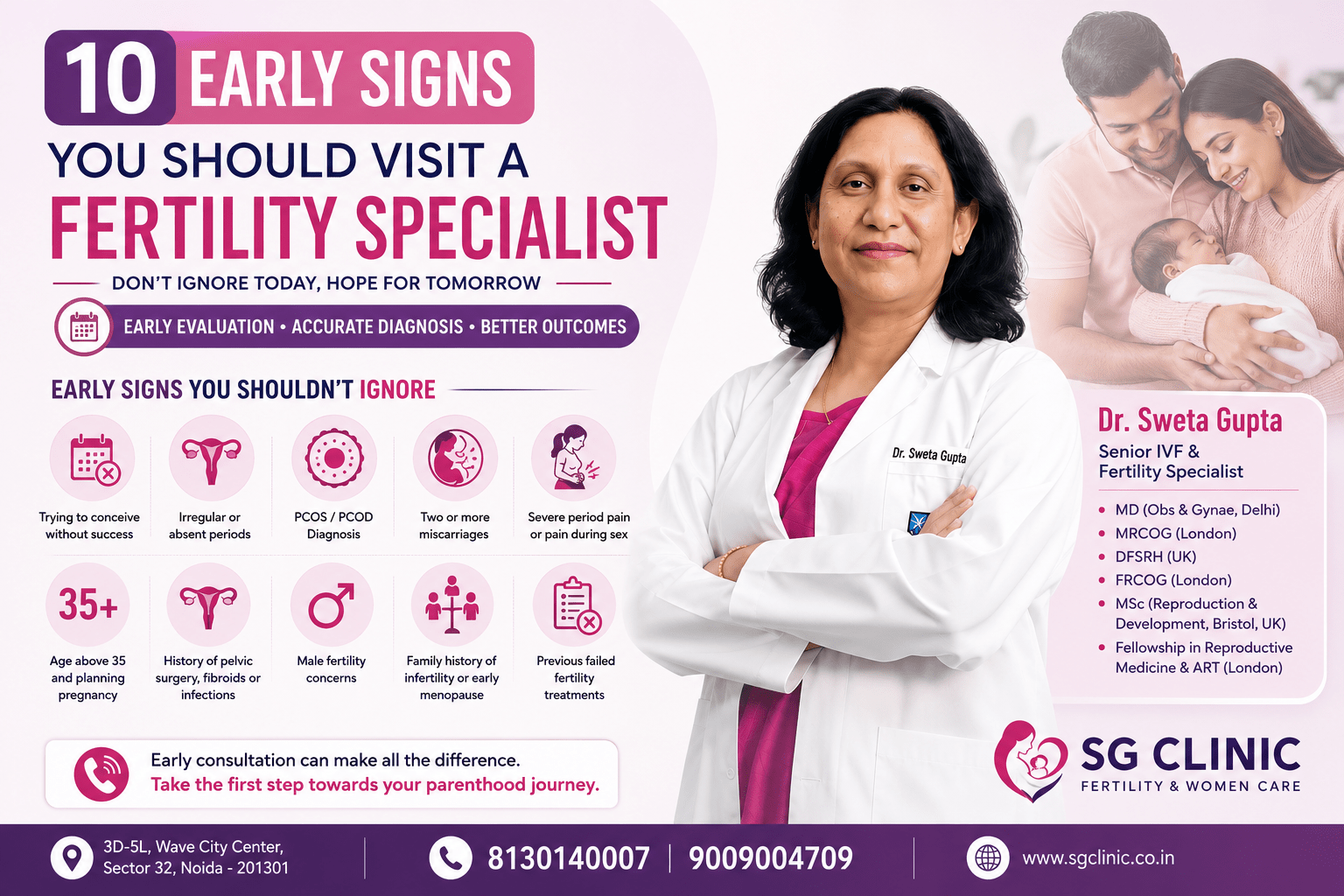
Starting a family is one of life’s most cherished dreams. For many couples, pregnancy happens naturally within a few months of trying. However, for others, the journey can take longer and may involve unexpected challenges. While occasional delays in conception are common, persistent difficulty in getting pregnant should never be ignored.
One of the biggest mistakes couples make is waiting too long before seeking medical advice. Many assume that stress, work pressure, or age-related changes will eventually resolve on their own. Unfortunately, delaying fertility evaluation can reduce the chances of successful treatment, especially as age advances.
Modern fertility medicine has transformed the way infertility is diagnosed and treated. Today, many fertility-related conditions can be effectively managed when identified early. Whether the issue involves irregular ovulation, hormonal imbalance, low ovarian reserve, endometriosis, PCOS, or male fertility factors, timely intervention significantly improves the chances of conception.
Knowing when to consult a fertility specialist is just as important as choosing the right specialist.
If you are experiencing any of the signs discussed in this article, consulting an experienced fertility expert like Dr. Sweta Gupta can help you understand the underlying cause and receive personalized guidance based on your individual fertility goals.
Meet Dr. Sweta Gupta – Trusted Fertility Specialist in Noida
Dr. Sweta Gupta is one of Noida’s leading fertility specialists with more than 25 years of experience in Obstetrics, Gynaecology, IVF, and Reproductive Medicine. She has successfully guided thousands of couples through fertility evaluations, pregnancy planning, assisted reproductive treatments, and high-risk pregnancies.
Her internationally recognized qualifications include:
- MD (Obstetrics & Gynaecology, Delhi)
- MRCOG (London)
- DFSRH (United Kingdom)
- FRCOG (London)
- MSc (Reproduction & Development, Bristol, UK)
- Fellowship in Reproductive Medicine & Assisted Reproductive Technology (London)
Dr. Sweta Gupta believes that every fertility journey is unique. Instead of following a one-size-fits-all approach, she carefully evaluates each patient’s medical history, reproductive health, lifestyle, and fertility goals to develop a personalized treatment plan. Her patient-centric approach, combined with evidence-based fertility care and advanced reproductive medicine, has earned her the trust of couples across Noida, Delhi NCR, and surrounding regions.
Why Early Fertility Consultation Matters
Many couples delay seeking fertility care because they assume conception simply takes time. While patience is important, fertility is influenced by multiple biological factors that become more significant with age.
Women are born with a fixed number of eggs, and both the quantity and quality of these eggs naturally decline over time. Similarly, male fertility can also be affected by age, lifestyle habits, medical conditions, and environmental factors.
Early consultation allows doctors to identify potential issues before they become more complicated. It also provides couples with a clearer understanding of their reproductive health, enabling them to make informed decisions about treatment options if needed.
Rather than waiting until infertility becomes a prolonged emotional burden, seeking expert advice at the right time can increase the chances of achieving a healthy pregnancy while reducing unnecessary stress.
Understanding Fertility: What’s Considered Normal?
It is important to understand that not every couple conceives immediately. Even healthy couples may take several months to achieve pregnancy.
Generally:
- Couples under the age of 35 should consider fertility evaluation after trying to conceive for 12 months without success.
- Women aged 35 years or older are advised to seek medical advice after 6 months of unsuccessful attempts.
- Women over the age of 40 should consult a fertility specialist as soon as they decide to plan a pregnancy, rather than waiting.
However, in some situations, medical consultation should occur much earlier, regardless of age.
The following signs should never be ignored.
Sign 1: You’ve Been Trying to Conceive Without Success
One of the clearest indicators that it’s time to consult a fertility specialist is difficulty conceiving despite regular, unprotected intercourse.
Many couples assume that pregnancy will happen naturally if they simply continue trying. While this may be true for some, prolonged delays can indicate underlying fertility issues affecting either partner.
Female fertility depends on several factors, including regular ovulation, healthy fallopian tubes, normal uterine anatomy, balanced hormones, and good egg quality. Male fertility is equally important and depends on healthy sperm count, motility, and morphology.
If conception has not occurred despite regular attempts over the recommended timeframe, it is advisable not to continue waiting indefinitely. A fertility evaluation can help identify whether the issue is related to ovulation, hormonal imbalance, blocked fallopian tubes, uterine conditions, male infertility, or unexplained infertility.
Early diagnosis often allows treatment to begin before fertility declines further, increasing the likelihood of a successful pregnancy.
Sign 2: Your Menstrual Cycles Are Irregular
A woman’s menstrual cycle provides valuable insight into her reproductive health.
Regular menstrual cycles generally indicate that ovulation is occurring consistently. However, if your periods are highly irregular, very infrequent, unusually heavy, or absent for several months, it may suggest an underlying hormonal or reproductive disorder.
Irregular periods are commonly associated with conditions such as:
- Polycystic Ovary Syndrome (PCOS)
- Thyroid disorders
- Hyperprolactinemia
- Premature ovarian insufficiency
- Hormonal imbalance
- Excessive stress
- Significant weight fluctuations
Women experiencing irregular menstrual cycles often have unpredictable ovulation, making conception more difficult.
Many women mistakenly ignore irregular periods, believing they are simply part of their normal routine. In reality, menstrual irregularities are one of the earliest warning signs that deserve professional evaluation.
Dr. Sweta Gupta performs comprehensive hormonal assessments and ultrasound evaluations to determine the underlying cause and recommend appropriate treatment.
Sign 3: You Have Been Diagnosed with PCOS or PCOD
Polycystic Ovary Syndrome (PCOS) is one of the most common causes of female infertility worldwide.
Women with PCOS often experience hormonal imbalance that interferes with normal egg development and ovulation. Instead of releasing a mature egg each month, multiple immature follicles remain within the ovaries, reducing the chances of natural conception.
Common symptoms include:
- Irregular periods
- Weight gain
- Acne
- Excess facial hair
- Hair thinning
- Difficulty losing weight
- Delayed pregnancy
Although PCOS can make conception more challenging, it is important to remember that it does not mean pregnancy is impossible.
With lifestyle modifications, hormonal management, ovulation induction, and advanced fertility treatments when required, many women with PCOS successfully conceive.
Seeking treatment early prevents unnecessary delays and helps optimize fertility before age-related decline becomes an additional factor.
Sign 4: You Have Experienced Two or More Miscarriages
Experiencing a miscarriage can be emotionally devastating. While one miscarriage is relatively common and does not necessarily indicate infertility, recurrent pregnancy loss requires careful medical evaluation.
Repeated miscarriages may result from:
- Genetic abnormalities
- Hormonal disorders
- Uterine abnormalities
- Thyroid disease
- Autoimmune conditions
- Blood clotting disorders
- Poor embryo quality
- Chromosomal issues
- Uncontrolled diabetes
Many couples incorrectly assume that repeated miscarriages are simply “bad luck.” However, advances in reproductive medicine now allow doctors to identify and treat many of the underlying causes.
A fertility specialist conducts a detailed investigation to determine why pregnancy loss is occurring and develops a personalized treatment strategy to improve the chances of carrying a healthy pregnancy to term.
Early evaluation following recurrent miscarriages offers the best opportunity for successful future pregnancies.
The Importance of Acting Early
Fertility naturally changes with age, and delaying evaluation can sometimes reduce the effectiveness of treatment. Conditions such as PCOS, endometriosis, diminished ovarian reserve, thyroid disorders, and male factor infertility often progress silently without obvious symptoms.
Seeking expert medical advice early does not necessarily mean you will require IVF or advanced fertility procedures. In many cases, simple lifestyle modifications, medication, ovulation monitoring, or minimally invasive treatments are sufficient to help couples conceive naturally.
Understanding your reproductive health at the right time empowers you to make informed decisions and increases your chances of achieving a healthy pregnancy.
Sign 5: You Experience Severe Period Pain or Pain During Intercourse
Many women believe that painful periods are a normal part of menstruation. While mild cramps are common, severe pelvic pain that interferes with daily activities should never be ignored. Intense menstrual pain, pain during sexual intercourse, chronic pelvic discomfort, or pain while passing urine or stool during periods could indicate an underlying reproductive condition, particularly endometriosis.
Endometriosis occurs when tissue similar to the uterine lining grows outside the uterus, commonly affecting the ovaries, fallopian tubes, pelvic lining, and surrounding organs. This condition can lead to inflammation, scar tissue formation, and adhesions that may interfere with egg release, fertilization, and embryo implantation. It is estimated that a significant proportion of women with infertility are also affected by endometriosis.
Symptoms vary from person to person. Some women experience debilitating pain, while others have very few symptoms and discover the condition only during fertility investigations. Because endometriosis often progresses silently, early diagnosis is extremely important.
If you consistently experience severe menstrual pain or pelvic discomfort, consulting an experienced fertility specialist like Dr. Sweta Gupta can help identify the condition early through clinical evaluation and imaging. Timely treatment can relieve symptoms, preserve fertility, and improve the chances of natural conception or successful fertility treatment.
Sign 6: You Are Above 35 Years of Age and Planning Pregnancy
Age is one of the most significant factors affecting female fertility. Unlike many other organs in the body, the ovaries cannot produce new eggs. Every woman is born with a fixed number of eggs, and this ovarian reserve gradually decreases with age.
While many women successfully conceive after 35, both egg quantity and egg quality begin to decline more rapidly after this age. As a result, the chances of natural conception reduce, while the risk of miscarriage and chromosomal abnormalities gradually increases.
Many couples delay pregnancy due to career goals, financial planning, or personal reasons. Although these decisions are entirely understandable, it becomes even more important to seek fertility guidance when planning pregnancy later in life.
Women above 35 should ideally consult a fertility specialist if pregnancy has not occurred within six months of regular, unprotected intercourse. Women over 40 should consider a fertility evaluation even before actively trying to conceive, as early assessment allows for better planning and timely intervention.
Dr. Sweta Gupta emphasizes proactive fertility care for women in their mid-to-late thirties. Through ovarian reserve testing, hormonal evaluation, ultrasound assessment, and personalized counseling, she helps patients understand their reproductive health and choose the most appropriate path toward parenthood.
Sign 7: You Have Had Pelvic Surgery, Fibroids, or Pelvic Infections
Your previous medical history can significantly influence your fertility.
Women who have undergone surgeries involving the ovaries, uterus, or fallopian tubes may have an increased risk of fertility-related complications depending on the underlying condition and the nature of the surgery. Similarly, pelvic inflammatory disease (PID), sexually transmitted infections, untreated pelvic infections, or abdominal surgeries may lead to scarring around the reproductive organs.
Scar tissue can sometimes block the fallopian tubes, making it difficult for the egg and sperm to meet naturally. Uterine fibroids, depending on their size and location, may also affect implantation or pregnancy.
Conditions that deserve fertility evaluation include:
- Previous ovarian cyst surgery
- Endometriosis surgery
- Fibroid removal (myomectomy)
- Ectopic pregnancy
- Pelvic inflammatory disease
- Tubal surgery
- Repeated abdominal or pelvic operations
Even if you are currently symptom-free, these medical conditions may influence fertility. Consulting a fertility specialist before attempting pregnancy allows for a comprehensive assessment of reproductive health and helps identify any issues that may require treatment.
Sign 8: Your Partner Has Male Fertility Concerns
Infertility is not solely a women’s health issue. Nearly half of infertility cases involve male factors, either alone or in combination with female fertility challenges.
Unfortunately, many couples spend months or even years focusing only on female investigations while overlooking the male partner’s reproductive health.
Male fertility may be affected by:
- Low sperm count
- Poor sperm motility
- Abnormal sperm morphology
- Hormonal imbalance
- Varicocele
- Previous infections
- Diabetes
- Smoking
- Alcohol consumption
- Obesity
- Exposure to heat or environmental toxins
Unlike women, men often experience no obvious symptoms despite reduced fertility. Therefore, a simple semen analysis is one of the earliest and most important investigations during infertility evaluation.
Dr. Sweta Gupta believes fertility treatment should always involve both partners. A comprehensive couple-based assessment ensures that no contributing factor is overlooked and allows treatment plans to be tailored appropriately.
Sign 9: There Is a Family History of Early Menopause or Infertility
Your family history provides valuable insight into your reproductive health.
If your mother or sister experienced early menopause, premature ovarian insufficiency, recurrent miscarriages, or infertility, you may have an increased risk of similar reproductive challenges.
Genetic factors can influence:
- Ovarian reserve
- Egg quality
- Hormonal function
- Menstrual regularity
- Endometriosis
- PCOS
- Certain inherited reproductive disorders
While family history does not guarantee fertility problems, it does highlight the importance of early assessment.
Women with a strong family history should not wait until they experience infertility. Instead, they should consider an early fertility consultation to understand their ovarian reserve and reproductive health, especially if pregnancy is planned later in life.
Early awareness allows couples to make informed decisions about family planning and fertility preservation if appropriate.
Sign 10: You Have Had Previous Failed Fertility Treatments
Undergoing fertility treatment without achieving pregnancy can be emotionally exhausting.
Whether you have experienced unsuccessful ovulation induction cycles, repeated IUI failures, or unsuccessful IVF attempts, it is important not to lose hope. A failed cycle does not necessarily mean that pregnancy is impossible.
Each unsuccessful treatment provides valuable clinical information that can help optimize future treatment plans.
Several factors may contribute to unsuccessful fertility treatment, including:
- Poor egg quality
- Embryo quality issues
- Implantation failure
- Uterine abnormalities
- Hormonal imbalance
- Male factor infertility
- Genetic factors
- Lifestyle influences
Rather than simply repeating the same treatment, Dr. Sweta Gupta performs a detailed reassessment of the couple’s reproductive health to identify possible reasons for previous failures. Based on these findings, she develops a personalized strategy designed to improve the chances of future success.
What Happens During Your First Fertility Consultation?
Many couples feel anxious before their first appointment because they are unsure what to expect. In reality, the initial consultation is primarily focused on understanding your medical history and identifying any factors that may be affecting fertility.
During your visit, Dr. Sweta Gupta will discuss:
- Duration of infertility
- Menstrual history
- Previous pregnancies or miscarriages
- Medical and surgical history
- Lifestyle habits
- Family history
- Previous fertility treatments
- Current medications
This detailed discussion is followed by an individualized evaluation to determine which investigations, if any, are required.
The goal is not to recommend IVF immediately but to understand the complete fertility picture before suggesting the most appropriate treatment.
Common Fertility Tests for Women
Depending on your medical history, fertility evaluation may include:
Hormonal Blood Tests
Hormone testing helps assess ovarian function and identify conditions such as PCOS, thyroid disorders, or hormonal imbalance.
Common investigations include:
- AMH
- FSH
- LH
- Estradiol
- Progesterone
- TSH
- Prolactin
Pelvic Ultrasound
Ultrasound examination helps evaluate:
- Ovarian reserve
- Follicle development
- Uterine abnormalities
- Fibroids
- Endometrial thickness
- Ovarian cysts
Tubal Patency Assessment
Special imaging tests may be recommended to determine whether the fallopian tubes are open and functioning normally.
Fertility Evaluation for Men
Male fertility assessment is equally important.
Investigations commonly include:
- Semen analysis
- Hormonal evaluation (if indicated)
- Physical examination
- Ultrasound in selected cases
- Additional specialized tests when required
Early evaluation prevents unnecessary delays in diagnosis and ensures that treatment addresses both partners’ reproductive health.
Remember: Seeking Help Is a Positive Step
Many couples hesitate to consult a fertility specialist due to fear, social stigma, or the misconception that fertility treatment always leads to IVF.
In reality, many fertility concerns can be managed through simple interventions such as lifestyle changes, ovulation monitoring, medication, or minimally invasive treatments. Early consultation provides clarity, reduces uncertainty, and often shortens the time to achieving pregnancy.
Taking the first step toward understanding your fertility is an investment in your future family.
Lifestyle Habits That Naturally Improve Fertility
While advanced fertility treatments have significantly improved pregnancy success rates, a healthy lifestyle remains one of the strongest foundations for reproductive health. Fertility is influenced not only by medical conditions but also by nutrition, physical activity, sleep quality, stress levels, and overall well-being.
Dr. Sweta Gupta believes that every fertility treatment plan should include lifestyle optimization alongside medical evaluation. Small but consistent changes in daily habits can improve hormone balance, enhance egg and sperm quality, regulate ovulation, and create a healthier environment for conception.
Maintain a Healthy Body Weight
Both underweight and overweight individuals may experience fertility challenges. Excess body weight can lead to hormonal imbalances, insulin resistance, and irregular ovulation, while being underweight may suppress ovulation altogether.
Rather than focusing on rapid weight loss, the goal should be achieving a healthy Body Mass Index (BMI) through sustainable dietary habits and regular exercise. Even a modest weight reduction of 5–10% can improve ovulation in women with PCOS and increase the chances of natural conception.
Follow a Fertility-Friendly Diet
Nutrition plays a vital role in reproductive health. A balanced diet rich in vitamins, minerals, antioxidants, and healthy fats supports hormone production, egg quality, and overall reproductive function.
A fertility-supportive diet should include:
- Fresh seasonal fruits
- Green leafy vegetables
- Whole grains
- Lean protein sources
- Eggs
- Fish (where appropriate)
- Lentils and legumes
- Nuts and seeds
- Healthy fats such as olive oil and avocados
- Dairy products in moderation
It is equally important to reduce the intake of processed foods, sugary beverages, trans fats, and excessive refined carbohydrates, as these may contribute to insulin resistance and inflammation.
Stay Physically Active
Regular exercise supports fertility by improving blood circulation, hormone regulation, insulin sensitivity, and weight management. However, balance is essential. Excessive high-intensity exercise may negatively affect ovulation in some women.
Activities such as brisk walking, yoga, swimming, cycling, Pilates, and strength training are excellent choices. Aim for at least 150 minutes of moderate physical activity per week unless advised otherwise by your doctor.
Prioritize Quality Sleep
Sleep is often overlooked but has a direct impact on reproductive hormones. Poor sleep can disrupt the hormonal signals that regulate ovulation and overall fertility.
Adults should aim for 7–8 hours of quality sleep each night. Maintaining a consistent sleep schedule, limiting screen time before bed, and creating a relaxing bedtime routine can contribute to better hormonal health.
Manage Stress Effectively
Trying to conceive can be emotionally demanding, especially when pregnancy does not happen as quickly as expected. While stress alone may not directly cause infertility, chronic stress can influence hormonal balance and affect overall well-being.
Practices such as meditation, mindfulness, breathing exercises, yoga, journaling, and spending time with loved ones can help reduce stress. Couples should also remember that seeking emotional support or counseling during fertility treatment is a sign of strength, not weakness.
Common Fertility Myths vs Facts
Misinformation about fertility is widespread, often causing unnecessary anxiety or delays in seeking treatment. Understanding the facts empowers couples to make informed decisions.
Myth 1: Infertility Is Always a Woman’s Problem
Fact: Male factors contribute to nearly half of infertility cases. Fertility evaluation should always include both partners.
Myth 2: IVF Is the Only Fertility Treatment
Fact: Many couples conceive naturally after lifestyle changes, medication, ovulation induction, or IUI. IVF is recommended only when clinically appropriate.
Myth 3: Regular Periods Mean You Are Definitely Fertile
Fact: Although regular periods often indicate ovulation, they do not guarantee fertility. Conditions affecting egg quality, fallopian tubes, or male fertility may still be present.
Myth 4: Age Doesn’t Matter If You’re Healthy
Fact: A healthy lifestyle supports fertility, but it cannot completely prevent the natural decline in egg quantity and quality associated with age.
Myth 5: Fertility Treatment Always Results in Multiple Pregnancies
Fact: Modern fertility treatments are carefully planned to reduce the risk of multiple pregnancies while maximizing the chances of a healthy singleton pregnancy.
Why Couples Trust Dr. Sweta Gupta
Choosing the right fertility specialist is one of the most important decisions in your parenthood journey. Dr. Sweta Gupta is widely recognized for her patient-centered approach, ethical medical practice, and expertise in reproductive medicine.
25+ Years of Clinical Excellence
With more than two decades of experience in Obstetrics, Gynaecology, IVF, and Fertility Care, Dr. Sweta Gupta has successfully treated a wide range of fertility conditions.
Internationally Recognized Qualifications
Her advanced training in reproductive medicine from prestigious institutions in the United Kingdom enables her to provide evidence-based fertility care aligned with international standards.
Personalized Treatment Plans
No two fertility journeys are the same. Every patient receives an individualized treatment plan based on age, medical history, hormonal profile, ovarian reserve, lifestyle, and reproductive goals.
Compassionate Patient Care
Infertility can be emotionally challenging. Dr. Sweta Gupta believes in providing not only medical treatment but also emotional support, clear communication, and honest guidance throughout the journey.
Advanced Fertility Solutions
From fertility assessment and ovulation induction to IUI, IVF, and reproductive counseling, patients receive comprehensive care under one roof.
Fertility Services Available at SG Clinic
SG Clinic provides a comprehensive range of reproductive and women’s healthcare services, including:
- Fertility Evaluation
- Pregnancy Planning
- Female Infertility Treatment
- Male Fertility Assessment
- PCOS & PCOD Management
- Ovulation Induction
- Follicular Monitoring
- Intrauterine Insemination (IUI)
- IVF Consultation
- Recurrent Miscarriage Evaluation
- Hormonal Disorder Management
- Endometriosis Management
- High-Risk Pregnancy Care
- Gynecological Consultation
- Fertility Counseling
- Menstrual Disorder Treatment
Frequently Asked Questions (FAQs)
1. When should I consult a fertility specialist?
If you have been trying to conceive for one year (or six months if you are over 35), or if you have irregular periods, recurrent miscarriages, or known reproductive conditions, it is advisable to seek expert evaluation.
2. Does visiting a fertility specialist mean I need IVF?
No. Many fertility concerns can be managed with medication, lifestyle changes, ovulation monitoring, or IUI. IVF is recommended only when medically indicated.
3. What happens during the first consultation?
The consultation includes a detailed discussion of your medical history, menstrual cycle, previous pregnancies, lifestyle, and any existing health conditions. Investigations are recommended only if necessary.
4. Can PCOS affect fertility?
Yes. PCOS can interfere with ovulation, but with appropriate treatment and lifestyle management, many women with PCOS successfully achieve pregnancy.
5. Should my partner also be evaluated?
Yes. Since male factors contribute to approximately half of infertility cases, evaluation of both partners is essential.
6. Can stress alone cause infertility?
Stress is rarely the sole cause of infertility, but chronic stress can affect hormonal balance and overall reproductive health.
7. Is age an important factor in fertility?
Yes. Female fertility gradually declines with age, particularly after 35 years. Early evaluation allows more treatment options and better outcomes.
8. Are fertility tests painful?
Most routine fertility tests involve blood investigations and ultrasound examinations, which are generally well tolerated.
9. Can lifestyle changes improve fertility?
Absolutely. A balanced diet, healthy weight, regular exercise, adequate sleep, and stress management can positively influence fertility.
10. How do I know which fertility treatment is right for me?
The appropriate treatment depends on your diagnosis, age, reproductive history, and fertility goals. Dr. Sweta Gupta develops a personalized treatment plan after a comprehensive evaluation.
Conclusion
The journey to parenthood is unique for every couple, and experiencing delays in conception does not mean that your dream of having a baby is out of reach. Recognizing the early signs of fertility concerns and seeking timely medical guidance can make a significant difference in treatment outcomes.
Whether you have irregular menstrual cycles, PCOS, recurrent miscarriages, severe pelvic pain, previous surgeries, or have simply been trying to conceive without success, early fertility evaluation provides clarity and opens the door to effective treatment options.
With over 25 years of experience, international qualifications, and a patient-first approach, Dr. Sweta Gupta has helped countless couples navigate infertility with confidence and hope. At SG Clinic, Noida, every patient receives personalized, evidence-based care designed to maximize the chances of achieving a healthy pregnancy while supporting overall reproductive health.
If you recognize any of these early signs, don’t wait. Taking action today could be the first step toward building the family you’ve always dreamed of.
Book Your Consultation Today
Dr. Sweta Gupta
Senior IVF & Fertility Specialist
Qualifications:
- MD (Obs & Gynae, Delhi)
- MRCOG (London)
- DFSRH (UK)
- FRCOG (London)
- MSc (Reproduction & Development, Bristol, UK)
- Fellowship in Reproductive Medicine & ART (London)
📍 SG Clinic
3D-5L, Wave City Center, Sector 32, Noida – 201301
📞 Appointments:
8130140007
9009004709
Take the first step toward parenthood with expert fertility care and personalized guidance from Dr. Sweta Gupta.